🌿 Sare: the village that seems frozen in time, at the foot of La Rhune
There is a saying in Basque that sums up Sare better than any tourist brochure: "Saran astia", in Sare there is time. And as soon as you park next to the fronton, you understand why.
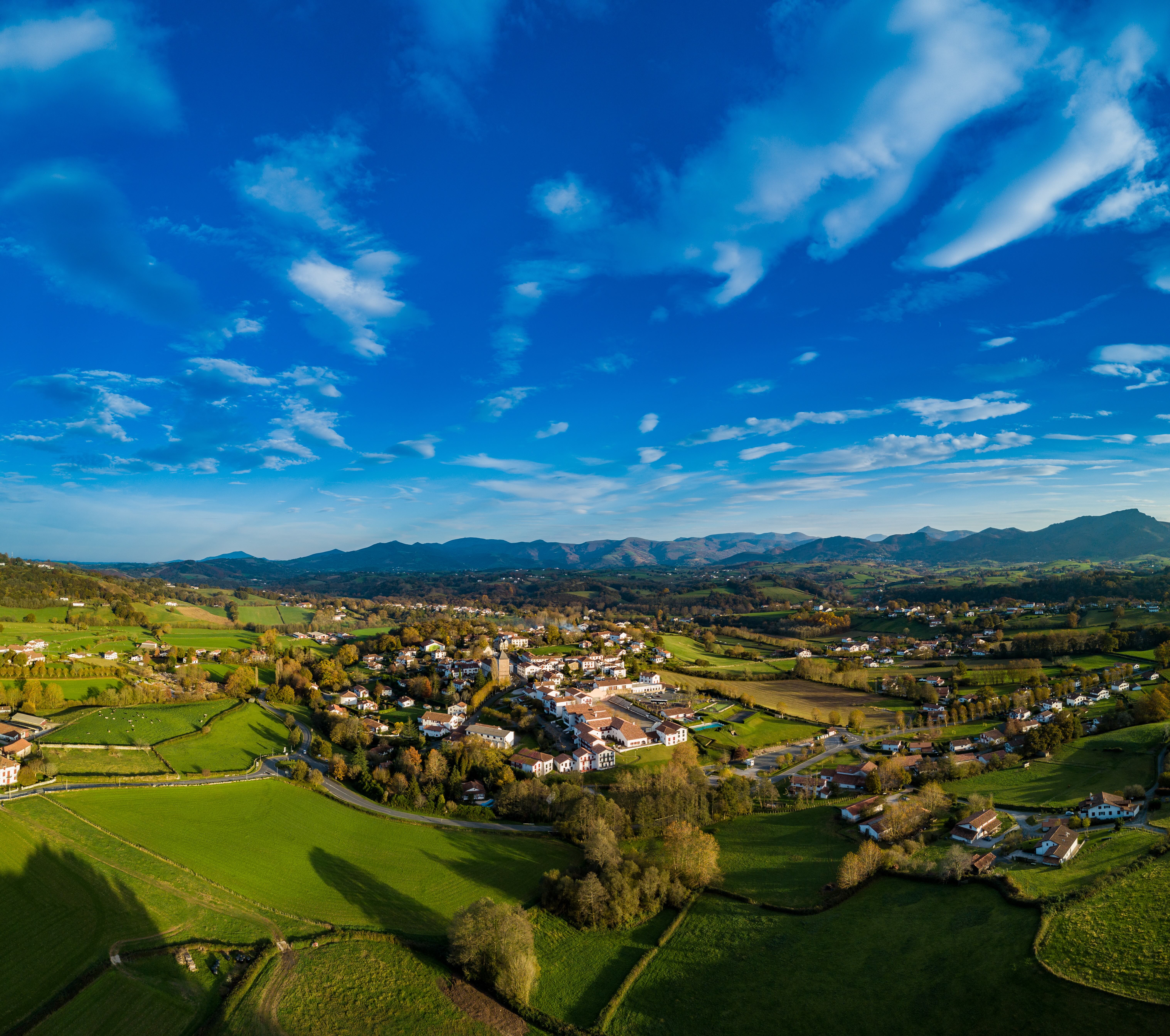
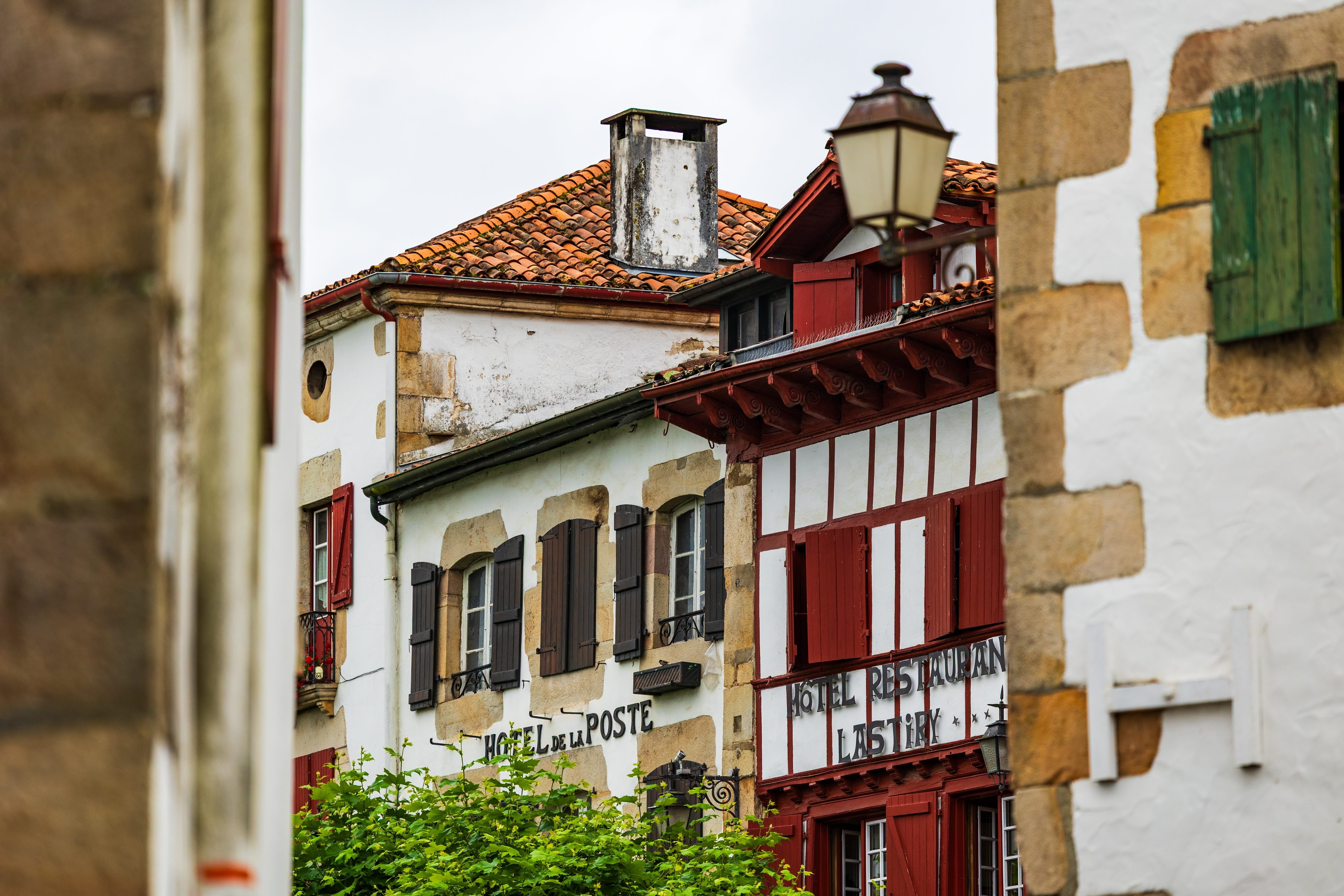
Sare (Sara, in Basque) is one of those villages you picture when you think of a postcard-perfect Basque town: whitewashed farmhouses with red timber framing, a church with wooden galleries, a fronton where the kids play pelota after school, and in the background, the unmistakable silhouette of La Rhune watching over the valley. It is no coincidence that it is officially recognized as one of the Plus Beaux Villages de France, the label France reserves for its most characterful villages.
It is a stone's throw from Ainhoa, with which it shares the Xareta Valley, and just a little more than from the Zugarramurdi Caves, with which it also shares legend: beneath its own mountains lie the Grottes de Sare, another setting in Basque mythology and in the memory of the witchcraft that marked this border four centuries ago.
| 📍 Location | Sare (Sara), commune in Labourd/Lapurdi, Pyrénées-Atlantiques, French Basque Country — Nivelle valley, at the foot of La Rhune (905 m) |
| 🚗 From Casa Angiz | About 45 minutes by car (~44 km) via Zugarramurdi and the Col de Lizarrieta, or a similar route via Dantxarinea and Ainhoa (9 km between the two villages) |
| 🧭 What it includes | Historic center and fronton, Saint Martin's church, Ortillopitz house museum, Musée du Gâteau Basque, Grottes de Sare, La Rhune rack railway, trails in the Xareta Valley |
| 👨👩👧 Ideal for | Couples and families looking for a charming village + nature + a bit of history and legend |
| 📅 Best time | From April to October (the La Rhune train and the caves close or reduce hours in the middle of winter; spring and autumn are less crowded) |
| 🥾 Difficulty | The village itself, none (flat and very walkable); if you hike up La Rhune, medium-high effort (2-3 h ascent) |
| 🌐 More info | French Basque Country tourism office |
🎯 What to see and do in Sare
⛪ Saint Martin's church and its wooden galleries
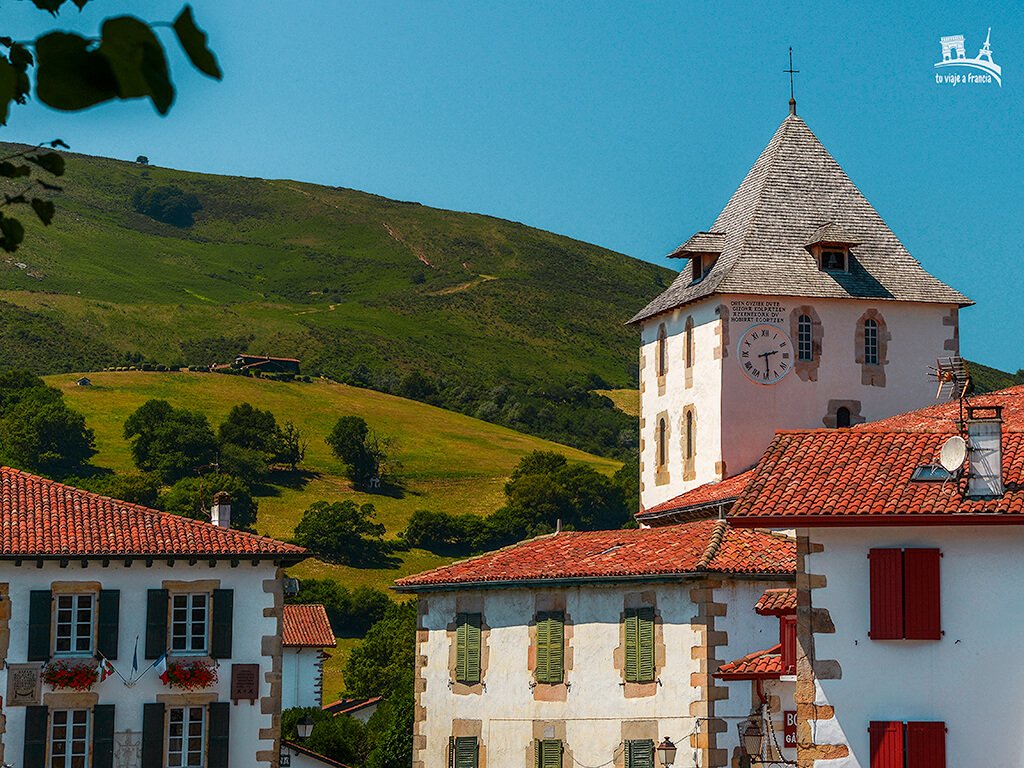
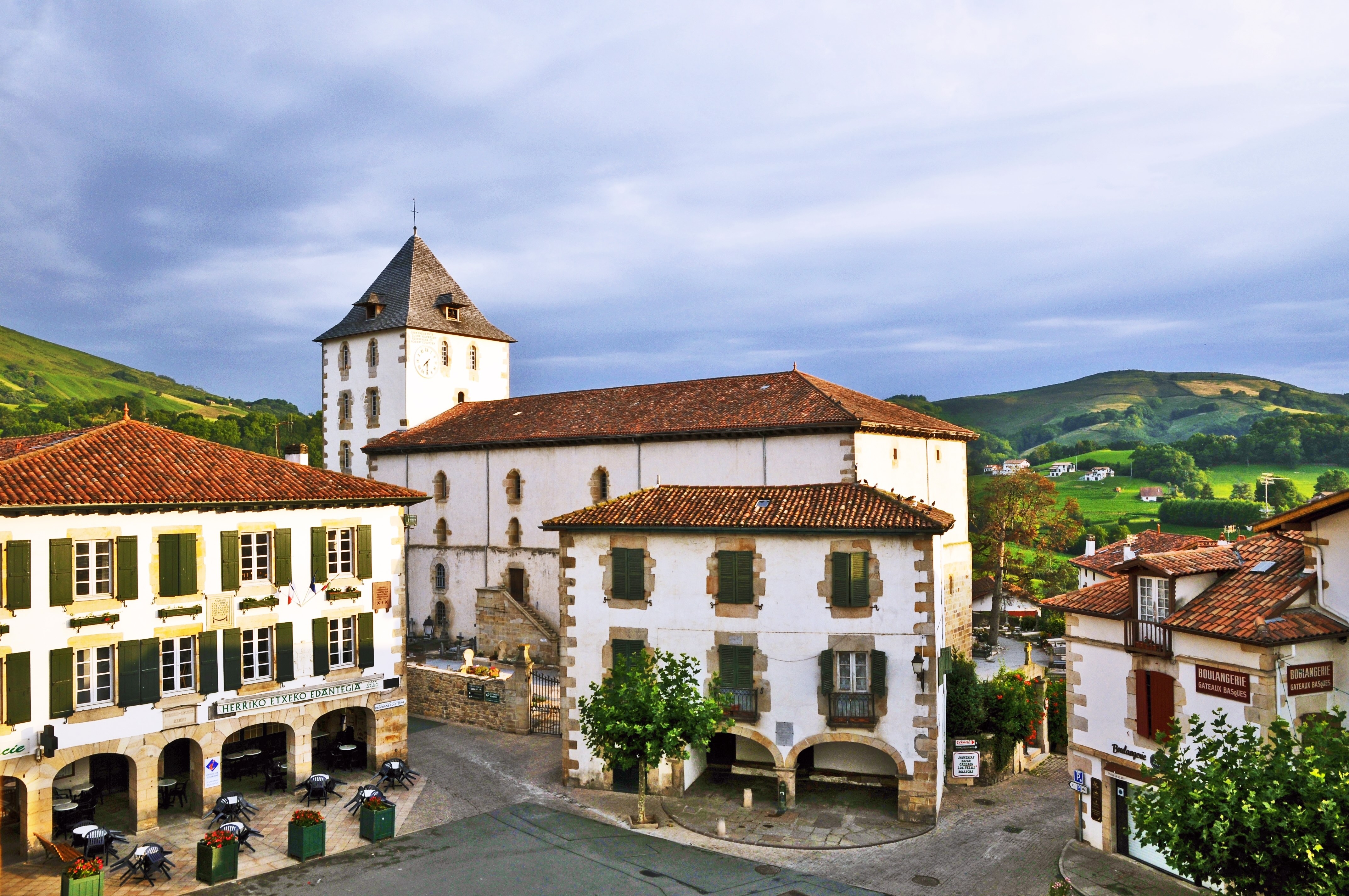
It presides over the square with a five-story tower and three stacked interior wooden galleries, typical of Labourd churches (men sat there, while women occupied the nave). On the clock on the façade there is an inscription in Basque that leaves no doubt about the passage of time: "all hours wound man, the last one buries him".
🎾 The fronton and the village square
As in almost any respectable Basque village, social life in Sare revolves around its fronton, right next to the church. It is common to find an improvised game of Basque pelota, especially at sunset, and the surrounding terraces are the perfect place to have a drink before heading back to the car.
🏠 Ortillopitz, the 17th-century Basque house
This house museum from 1660 belonged to a family of shipowners and privateers and is now visited to understand how an affluent Labourd family lived: kitchen, bedrooms, stables and workshops with original tools. It can be toured independently or with a guided visit.
🍰 The Basque Cake Museum (Musée du Gâteau Basque)
A small museum-workshop where they explain, with demonstration and tasting included, how the authentic gâteau basque filled with cream or Itxassou black cherry is made. Guided visits last about 45 minutes and end, as they should, with a piece to try.
🕳️ The Grottes de Sare, between geology and mythology
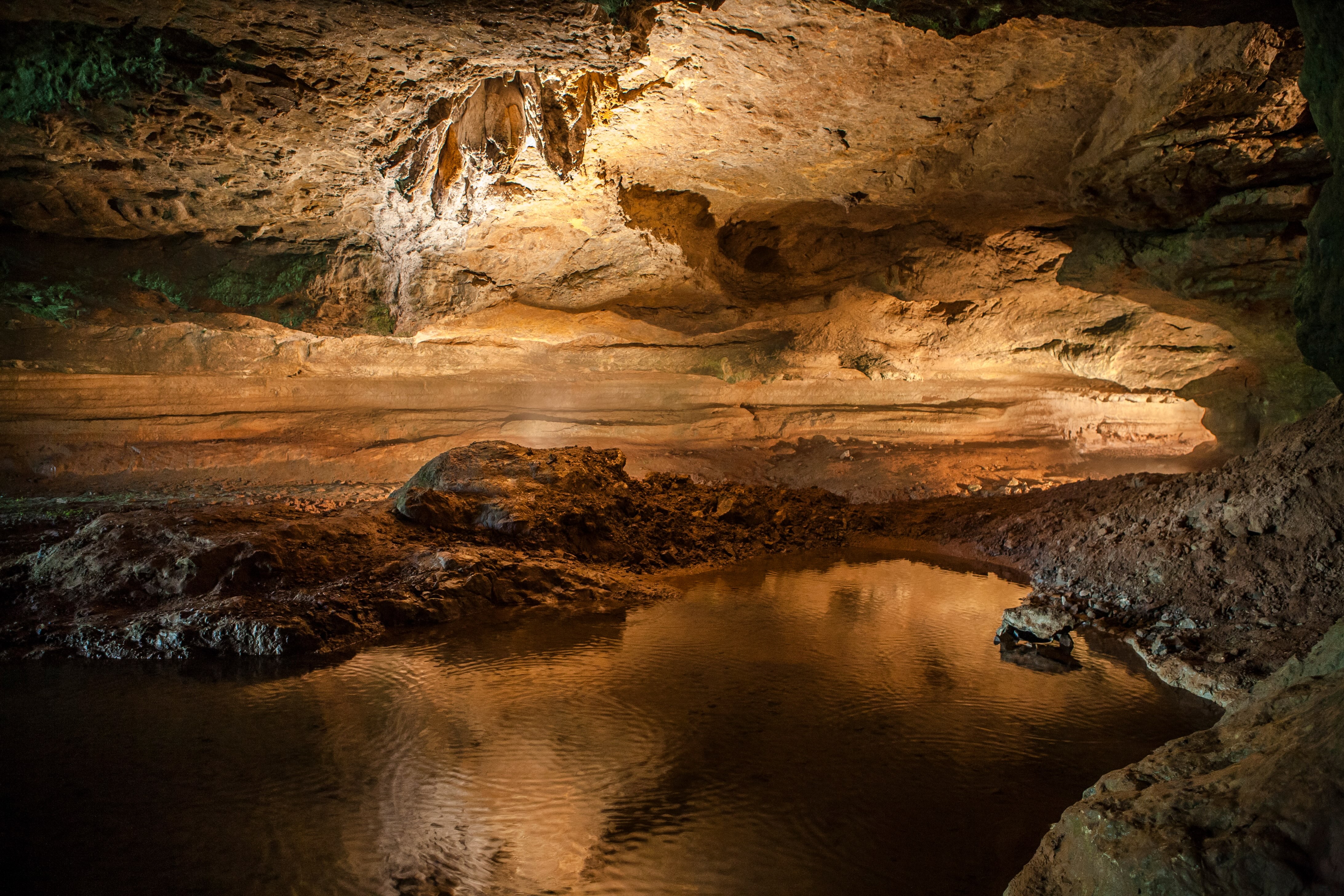
Beneath Mount Larrún lies a cave system that combines geology, prehistoric remains and Basque mythology: this is where tradition places Basajaun, the "lord of the forest," and other figures from popular imagination. The guided visit lasts one hour, with light and sound included, and there are three free parking areas next to the entrance.
🚂 Going up La Rhune on the rack railway
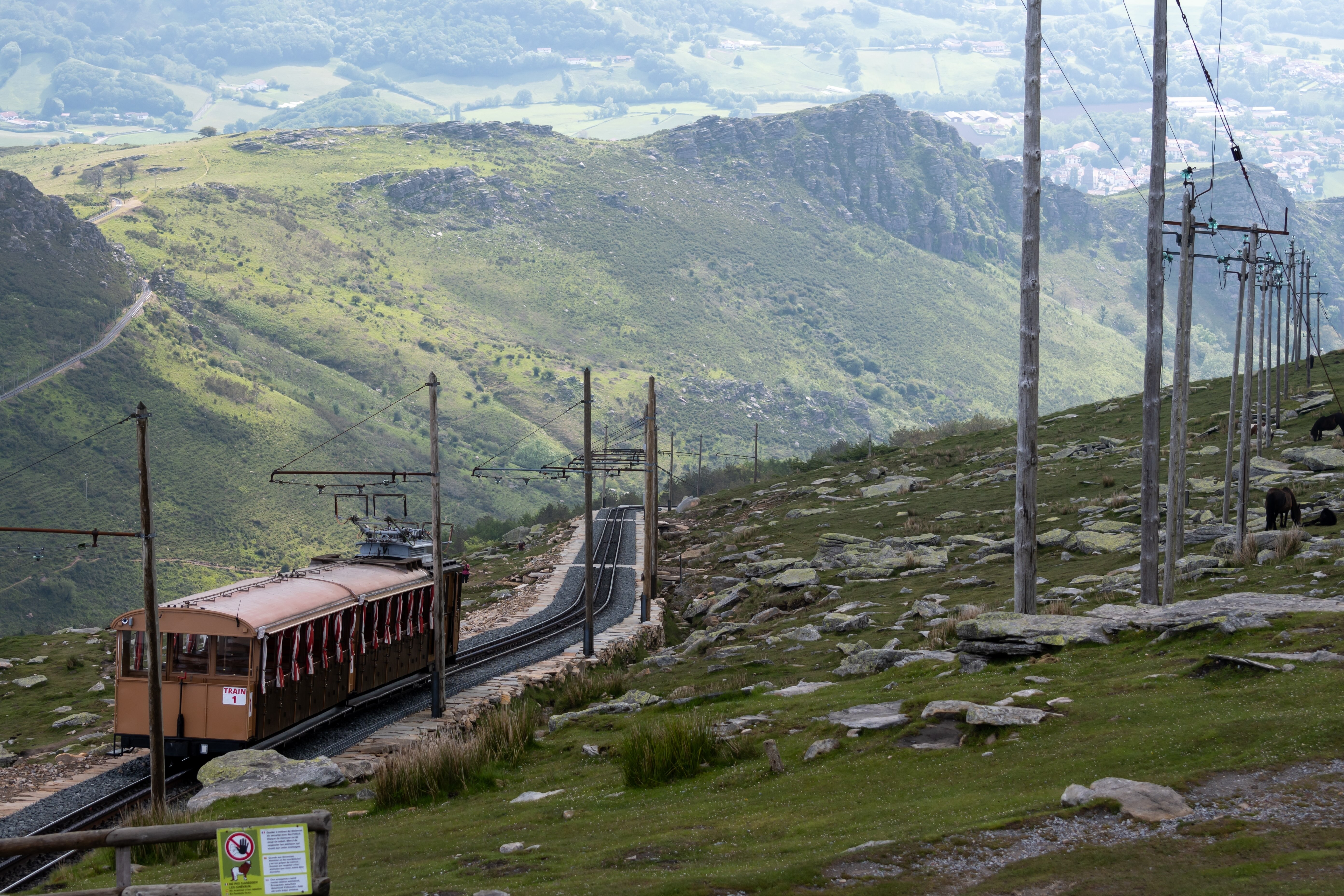
From the Col de Saint-Ignace, on the outskirts of Sare, a wooden rack railway dating from 1924 departs and takes about 35 minutes to climb the 905 meters of La Rhune. At the top, if the weather is good, you can see the Cantabrian Sea and much of the Pyrenees at the same time. Be sure to reserve half a day if you go in high season, because the queues can be long.
🥾 Hiking through the Xareta Valley: the Blue Horse Route
Sare is one of the four villages that make up the Xareta Valley, along with Ainhoa, Zugarramurdi and Urdazubi-Urdax. The so-called "Balade des Pottoks Bleus" (Blue Horse Route) connects the four villages on foot, crossing the border several times without you hardly noticing, among forests, pottoka meadows (the native horses) and manech sheep.

🕵️ A village of smugglers and witchcraft legends
The history of Sare is deeply tied to the border. For centuries, its inhabitants crossed the 36 km border line with Spain at night carrying goods — the so-called "Gauazko lana" or night work — and that memory is still celebrated every year with the Smugglers' Race: 36 runners cover 9 km carrying 8 kg bundles, just as it was done then.
Sare is also just a few minutes from Zugarramurdi, the epicenter of the 17th-century witchcraft trials led by the inquisitor Pierre de Lancre, and that same shadow seeps into the mythology surrounding its own caves. It is no coincidence that the Xareta Valley as a whole — Sare, Ainhoa, Zugarramurdi and Urdazubi — shares that "halo of mystery" woven over centuries on both sides of a border that, in practice, almost never existed for those who lived here.
👣 Our experience in Sare
We like to recommend Sare as the perfect end to a morning that starts in Ainhoa: park near the fronton, wander slowly through the old town — really, here the phrase "Saran astia" is felt in the atmosphere — go up La Rhune on the little train and come back down to have lunch in the square. It is a plan that practically organizes itself, without needing much planning.
If you are traveling with children, the Grottes de Sare and the rack railway itself are almost guaranteed hits: the mix of cave, legends and historic steam train usually captivates them more than any conventional museum. And for those looking for something calmer, Ortillopitz and the Basque Cake Museum have that unhurried pace the village calls for.
🍽️ Gastronomy in Sare
Sare is at the heart of the gâteau basque route, so tasting it here, next to the bakery that makes it, has something special about it. Around the fronton there are several cider houses and restaurants serving traditional Labourd cuisine: suckling lamb, Ossau-Iraty cheese (from manech sheep, the same breed you will see grazing in the surrounding meadows) and Espelette peppers, just ten minutes away. Local producer markets, common in high season, are a good way to take home cheese, txistorra or Itxassou black cherry jam directly from the producer.
🌱 A valley worth visiting carefully
The Xareta Valley lives from traditional grazing and from a landscape that remains this way precisely because it has not been overrun by mass tourism. A few simple gestures help keep it that way: park in the designated areas (the three free parking lots at the caves, or those in the village), respect the meadows where pottokas and sheep graze without getting too close, and if you are going up La Rhune, consider doing it by train or carpooling in the busiest months, when the Col de Saint-Ignace gets congested with traffic.
🏡 Your perfect base: stay at Casa Angiz
Sunbilla is just 45 minutes from Sare, in the heart of the Baztán-Bidasoa Valley, which makes Casa Angiz Etxea a very convenient starting point for exploring the entire Xareta Valley without unpacking every day.
- 🚗 Less than an hour from Sare, Ainhoa, Zugarramurdi and the rest of the French Basque Country.
- 🌲 Charming rural apartments in the middle of nature, surrounded by forest and rivers.
- ☀️ Sustainable accommodation, with solar energy and aerothermal heating.
- 👨👩👧👦 Plenty of space for families and groups, with a fully equipped kitchen.
- 🥾 Also a starting point for the Baztán Valley, the Zugarramurdi Caves or the Leurtza Reservoir.
- 🐾 Peaceful surroundings, ideal for unwinding between outings.
- 💬 Friendly attention and first-hand advice on what to see in the area (that's why we write these articles!).
❓ Frequently asked questions about Sare
How long does it take from Casa Angiz to Sare?
About 45 minutes by car (around 44 km), via Zugarramurdi and the Col de Lizarrieta. The alternative via Dantxarinea and Ainhoa takes a very similar amount of time and adds the possibility of stopping in Ainhoa along the way.
Do you need an ID card or passport to cross into Sare?
Sare is in France, within the Schengen area, so there is no regular border control, but it is advisable to carry a valid ID card or passport just in case. The border between Navarre and the French Basque Country is crossed almost without noticing, usually with no stop at all.
How much time do you need to visit Sare?
Half a day is more than enough for the historic center and one of the visits (the caves or the La Rhune train). If you want to do both at a relaxed pace and have lunch there, it is better to set aside the whole day.
Is it a good plan for going with children?
Yes, it is one of the best family plans in the area: the steam train to La Rhune and the Grottes de Sare (with their legendary atmosphere) usually delight them. If you are looking for more family ideas near Casa Angiz, you also have the Leurtza Reservoir.
What is the best time to go?
Spring and autumn, when the train and caves are open full hours but there are fewer crowds than in the middle of summer. In winter some services reduce hours or close for maintenance, so it is worth checking before going.
Do you have to pay to park in Sare?
Parking in the village and at the Grottes de Sare is free. What does cost money is admission to the attractions: the La Rhune train, the caves, Ortillopitz and the Basque Cake Museum are paid separately.
Can Sare, Ainhoa and Zugarramurdi be combined in the same day?
Yes, and in fact that is the most common plan: the three are part of the same Xareta Valley and are only a few minutes apart. That said, if you also want to go up La Rhune at a relaxed pace, it is better to spread it over two days.