Table of contents
BAZTAN-BIDASOA VALLEY: NATURE, CHARMING VILLAGES, AND UNFORGETTABLE ROUTES IN THE HEART OF NAVARRA
The BAZTAN-BIDASOA VALLEY is one of the most surprising corners of Navarra. Here, pristine nature, charming villages, hiking routes, and the legendary Bidasoa River come together in a storybook landscape. Traveling through the Baztán Valley and the surroundings of the Bidasoa, you will discover magical forests, green-covered mountains, traditional farmhouses, and rural cuisine that will win you over.
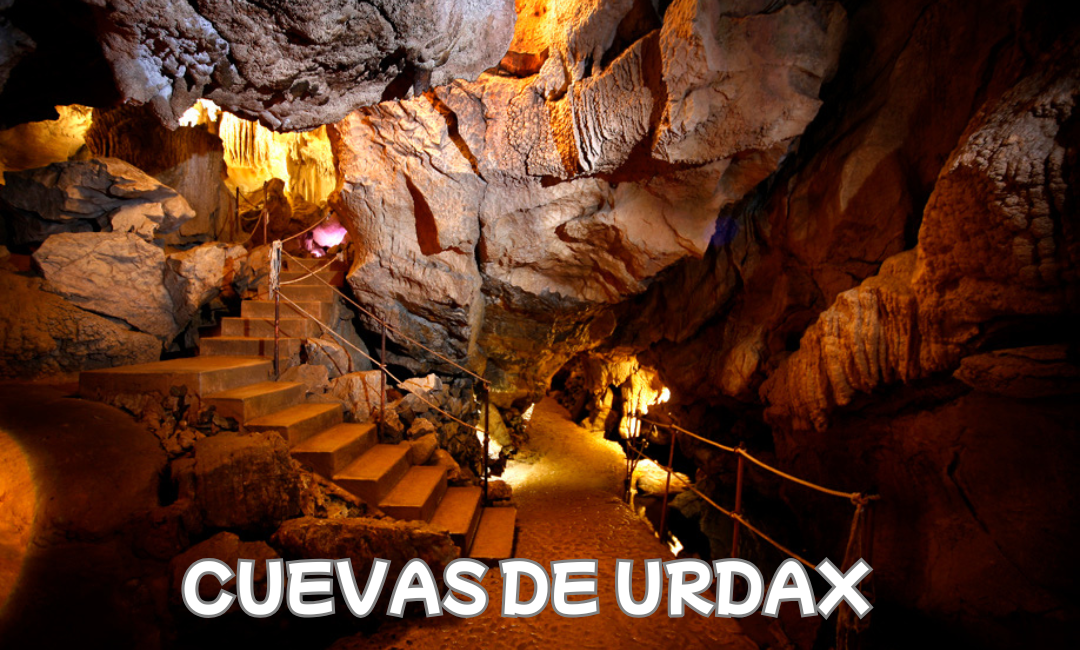
From the picturesque village of Sunbilla —on the riverbank— to unique places such as Elizondo, Amaiur, Zugarramurdi, and Urdax, the valley is full of stories, traditions, and legends. Here you can enjoy outdoor activities, explore ancient forests, visit legendary caves, and relax in one of the many rural accommodations.
The Baztan-Bidasoa Valley is ideal for lovers of rural tourism in Navarra, for those looking for weekend getaways, family trips, cycling routes, or simply a break surrounded by nature. Its landscapes change with each season, offering unique views in spring, autumn, and winter alike.
In this guide, we show you what to see and do in the Baztan-Bidasoa Valley, must-see routes, local secrets, food recommendations, and all the tips you need to organize your perfect trip to this magical corner of northern Navarra.
Where is the Baztan-Bidasoa Valley? Location and Map
The Baztan-Bidasoa Valley is located in the far north of Navarra, one of the greenest, most mysterious, and most spectacular areas of the western Pyrenees. This region includes the legendary Baztan and Bidasoa valleys, a succession of mountains, historic villages, and postcard-worthy landscapes just a few kilometers from the border with France.
How to get there?
The valley is perfectly connected from Pamplona (just over an hour by car), San Sebastián/Donostia, and the Basque Coast, as well as from Irún and Hendaye. The N-121-B road crosses the Baztan from south to north and connects with the Bidasoa River area, passing through emblematic towns such as Elizondo, Sunbilla, Lesaka, and Bera.
The area covers two historical and cultural zones:
Baztan (Elizondo, Arizkun, Amaiur, Erratzu, etc.)
Bidasoa (Sunbilla, Lesaka, Bera, Etxalar, etc.)
Both valleys are known for their natural beauty, fairytale forests, villages of white farmhouses and reddish roofs, living traditions, authentic cuisine, and countless routes for every taste.
If you’re looking for a different plan during your stay, we recommend visiting the Señorío de Bértiz Natural Park in Navarra, a unique place to unwind and enjoy the fresh air.
🌊 Two valleys united by one river
The Baztan-Bidasoa Valley is, in reality, the sum of two historical and cultural valleys that, although they have their own personality, merge into a single landscape thanks to the river that runs through them: the Baztan-Bidasoa.
The river rises in the forests of Baztan, crosses meadows, villages, and mountains, and along the way gathers the life and stories of dozens of tributaries and hamlets. When it crosses the imaginary border between the two valleys, it changes its name, but it remains the main artery that gives life to the whole region.
So, after touring some of the most emblematic villages of the Baztan Valley, we invite you to discover the character, beauty, and traditions of four must-see towns in the Bidasoa:
Sunbilla, Lesaka, Bera, and Etxalar.
In them, Basque culture blends with nature, history, and an authentic rural atmosphere.
Sunbilla: the riverside paradise of the Bidasoa
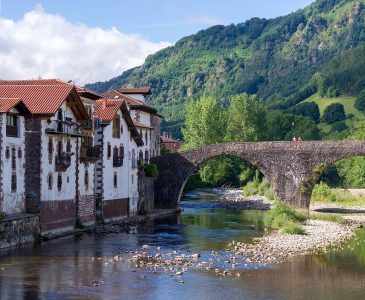
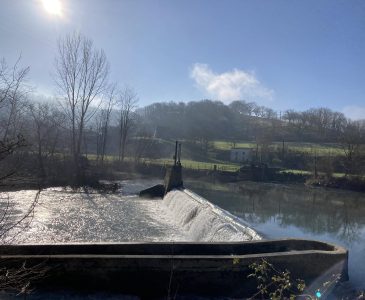
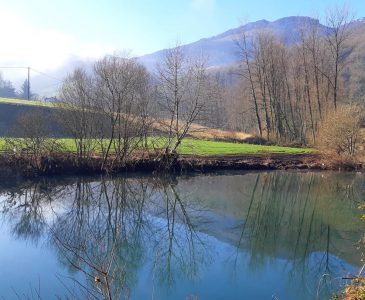
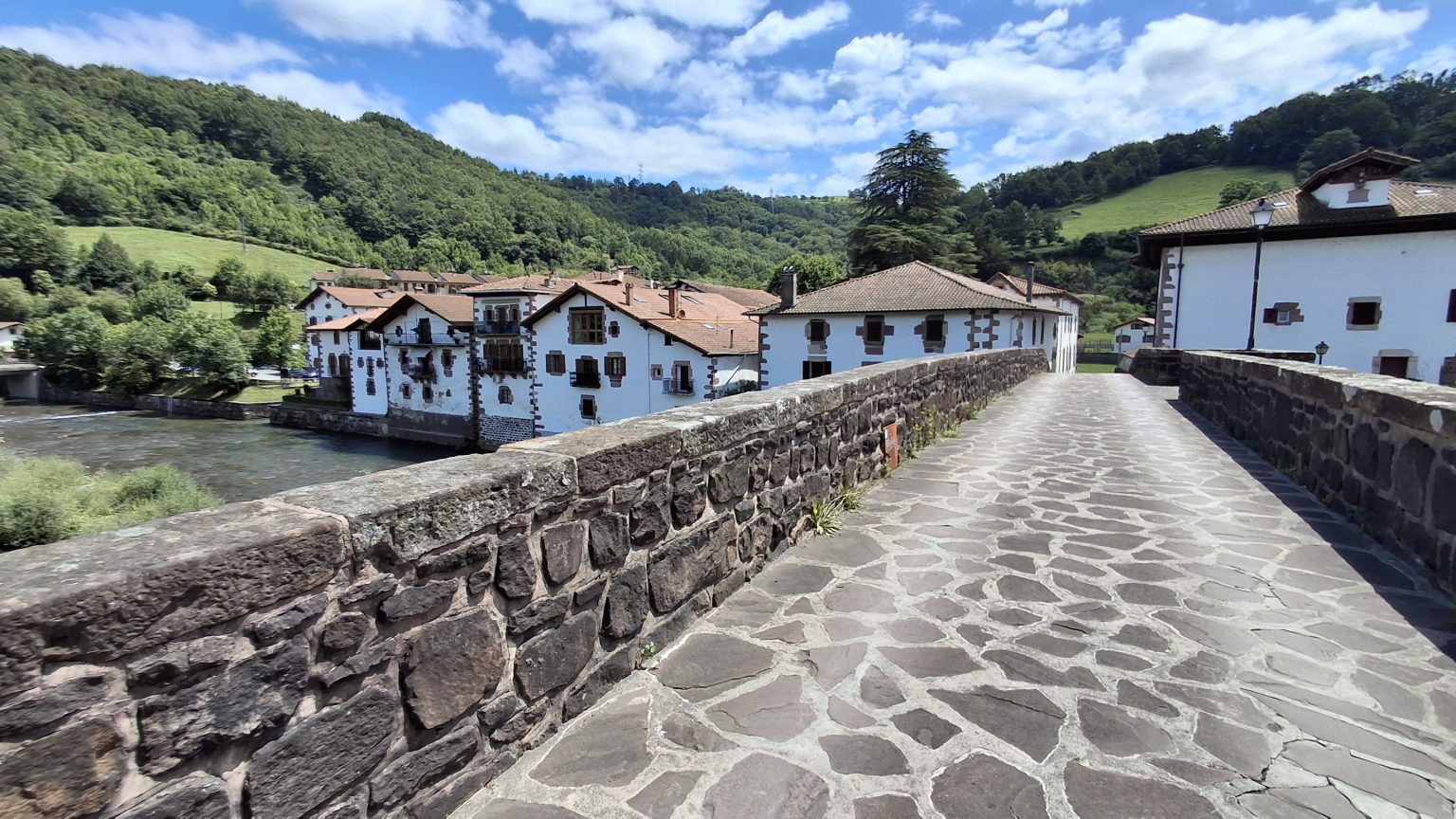
Sunbilla is the gateway to the Bidasoa valley from Baztan. On the riverbank and surrounded by green hills, it is famous for its medieval stone bridge, its natural surroundings, and its peaceful atmosphere.
The Bidasoa River sets the pace of local life: here you can walk along its waters, enjoy hiking routes, fish, go canoeing, or simply relax while observing the local fauna and flora.
Sunbilla is also the starting point of the Bidasoa Greenway, a cycling and walking route that follows old railway tracks and connects with other villages in the valley.
Throughout the year, traditional festivals and rural fairs are held, showcasing the hospitality of its people. If you’re looking for a place to stay in the middle of nature, close to everything and far from the noise, Angiz Etxea House is your ideal choice.
🌿 Planning your next getaway through Navarre? Don’t miss our complete guide to the Bidasoa Greenway with routes, tips, and unique places you won’t forget.
Must-see places in Sunbilla
🏞️ Medieval Bridge: Sunbilla’s landmark. It crosses the Bidasoa River and connects the two neighborhoods, making it one of the most photogenic and oldest bridges in the area.
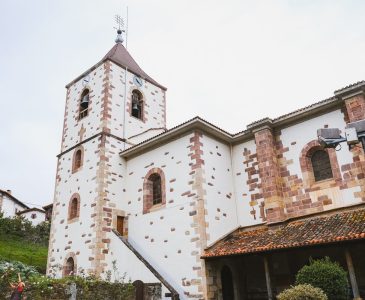
⛪ Church of Saint John the Baptist: Stands out for its architecture and its importance to the local community.
🚴 Bidasoa Greenway: Enjoy the old route of the “Tren Txikito,” now adapted as a cycling and walking path, ideal for families and nature lovers.
🌳 Señorío de Bertiz Natural Park: Very close to Sunbilla, a protected area full of trails, botanical gardens, and spectacular biodiversity.
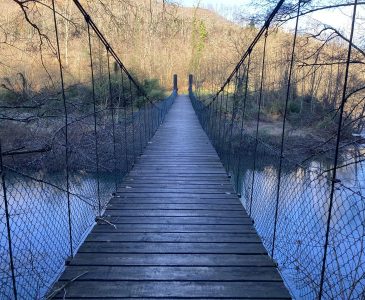
🌊 Suspension bridge and Bisusta Waterfall: Accessible via circular hiking routes, these are two little-known gems in the area.
🥾 Hiking routes: From easy riverside walks to the climb up Mount Mendaur (1,131 m), with spectacular views over the whole valley.
What to do in Sunbilla? 🎒
🚶♂️ Hiking and cycling: The Greenway and local routes let you explore storybook landscapes, forests, and meadows full of life.
🏛️ Cultural visits: Discover the old town, the medieval bridge, and the church, immersing yourself in Sunbilla’s history.
🍽️ Local cuisine: Try the pintxos, cheese, and traditional dishes in bars such as Camping Ariztigain, Bustitz, or Fonda Sunbilla.
🌱 Pure nature: Relax in the Señorío de Bertiz Natural Park, perfect for a family getaway or for getting lost among centuries-old trees.
🎭 Popular festivals: If you’re lucky enough to visit during Carnival or Artzain Eguna, you’ll experience the festive and traditional atmosphere of the area.
Tips and curiosities
📸 Don’t forget your camera: the medieval bridge and the views from Mount Mendaur are postcard-worthy.
🚗 Park by the bridge or in the center to walk around the village.
🤫 Local secret: Look for the old restored washhouse by the river, one of the village’s most authentic spots.
🧭 My personal recommendation in Sunbilla
Lesaka: Tradition, stone, and bridges over the Bidasoa
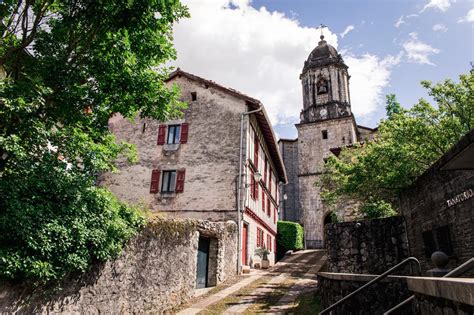
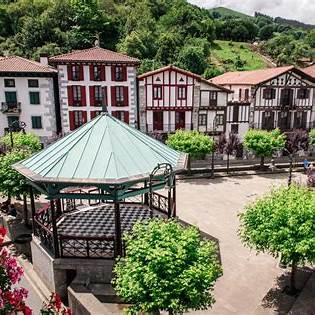
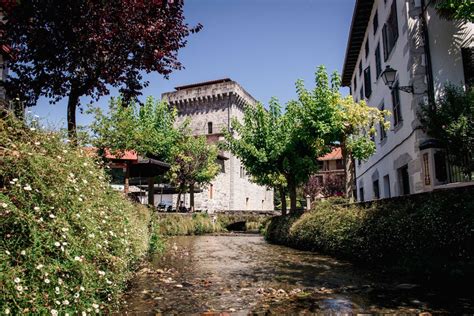
Lesaka is much more than just a village: it is the western gateway to the Baztan-Bidasoa Valley, and one of the most charming rural and traditional towns in northern Navarra. Its cobblestone streets and unmistakable Basque architecture tell stories from centuries past, while the Bidasoa River crosses the center of the village, bringing life and freshness to every corner.
Walking through Lesaka, you will discover coat-of-arms farmhouses with family crests, centuries-old stone facades, and picturesque bridges connecting the neighborhoods on both sides of the river. The atmosphere is lively, especially during local festivals, and at every corner you can feel the pride of preserving ancestral customs.
What to see and do in Lesaka
Stone bridge over the Bidasoa: Lesaka’s most famous postcard view, combining history, nature, and architecture in one place.
Church of San Martín de Tours: Monumental, with one of the most important Baroque organs in Navarra and an impressive altarpiece. Climb the tower for unique views.
Historic center: Lose yourself in the maze of streets, squares, and passageways, admiring the wooden balconies and flower-decorated facades.
Canal and mills: Water has always been the economic engine of Lesaka. You can still see remains of old water mills and ironworks by the canal.
River park: Relax on its riverside paths, ideal for walking, picnicking, or taking photos at sunset.
Festivals, traditions, and cuisine in Lesaka
Lesaka is famous for its traditional festivals, especially the spectacular Zanpantzar and the “Axeri Dantza” dances, which fill the square and streets with music, color, and Basque folklore.
In July, the San Fermín Txiki celebrations attract visitors from across the region. During winter, rural carnivals keep the spirit of the ancestors alive.
Lesaka’s cuisine combines the best of the valley: try the lamb in chilindrón sauce, the local cider, artisan cheeses, and the irresistible pintxos in the bars and cider houses in the center. Don’t leave without tasting a txistorra or a freshly made corn talo.
Curiosities and local tips
Mill viewpoint: A little-known spot to enjoy the best views over the village and the river.
The name Lesaka is already documented in the 11th century, and its history is closely linked to iron production and the guilds of ironworks.
The Bidasoa not only crosses the village: it is also a source of inspiration for artists and the setting for hiking and cycling routes.
Personal tip so you don’t miss out:
The best time to photograph Lesaka is at sunrise or sunset, when the light reflects on the waters of the Bidasoa and on the stone facades.
Want to know all the secrets of Lesaka? Discover the festival calendar, routes, and much more on the official Lesaka Town Hall website.
🧭 My personal recommendation in Lesaka
Bera (Vera de Bidasoa): Tradition, nature, and a living border in northern Navarra
Bera, also known as Vera de Bidasoa, is one of the most beautiful and authentic villages in the Baztan-Bidasoa Valley. Located in the far north of Navarra, just a few kilometers from the border with France, this town stands out for its historical heritage, its natural setting of mountains and forests, and a border culture shaped by centuries of history.
Why visit Bera?
Bera is much more than a stop on the road. Its urban center is a living example of Basque architecture, with centuries-old farmhouses, cobblestone streets, and balconies full of flowers in summer. Here the Bidasoa River is the star: it crosses the village and accompanies visitors and locals with its constant murmur. Life in Bera revolves around nature, traditions, and good food.
Must-see places in Bera
🌉 Historic bridges over the Bidasoa
Explore the stone and wooden bridges that cross the river and connect the different neighborhoods. The San Miguel Bridge is the most famous, with unbeatable views of the old town.
🏡 Main Street and traditional farmhouses
Walk along Bera’s Main Street, full of white houses with timber framing, heraldic shields, and flower-filled balconies. Many of these houses are true Basque “rural palaces.”
⛪ Church of San Esteban
One of the largest and most monumental churches in northern Navarra. It stands out for its main altarpiece, panoramic views, and landscaped surroundings.
🏞️ Alzate neighborhood and Zubimuxu Mill
Discover the most picturesque neighborhood, birthplace of the famous writer Pío Baroja. The Zubimuxu mill, now restored, can be visited and shows what rural life used to be like.
🥾 Trails and routes from Bera
Climb Mount Larrun (Larrún): a classic route between Navarra and France, famous for its rack railway and its views of the Pyrenees and the Cantabrian Sea.
Dolmen route: Bera has several prehistoric megaliths in its surroundings, ideal for lovers of archaeology and history.
Bidasoa Greenway: Perfect to explore by bike or on foot from Bera to Sunbilla, following the old railway line along the river.
🍽️ Local cuisine and products
Bera is known for its artisanal cider, sheep cheeses, cod in pil-pil sauce, and homemade sweets. In its bars and restaurants you can try traditional dishes and typical pintxos from the area.
🎉 Unique festivals and traditions
Zanpantzar and Carnival: Parades with ancestral costumes, music, and Basque folklore.
Patron saint festivals (August): Basque dances, popular meals, fairs, and rural sports.
Pilgrimages to the hermitage of Santa Bárbara.
📸 Other places of interest and curiosities
Ethnographic Museum: Small local museum with tools, photographs, and old objects.
Panoramic views from Mount Ibantelli: The best views of Bera, the Bidasoa River, and the French border.
Caves and mines of Bera: Speleology routes and historical trails in old iron mines.
What to do in Bera?
🌉 Cross the historic bridges over the Bidasoa River
🏡 Photograph the Basque farmhouses and flower-filled balconies
⛪ Climb up to the Church of San Esteban and enjoy the views
🥾 Go hiking: Larrun, Ibantelli, Greenway
🧀 Try the cider and local cuisine
🎉 Experience Zanpantzar and the patron saint festivals
🗺️ Explore the Alzate neighborhood and Zubimuxu Mill
📸 Look for the best viewpoints for your photos
Did you know…?
Bera is bilingual: both Basque and Spanish are spoken here, and Basque influence is felt in every aspect of local life.
The hiking route to Larrun is one of the most famous in the Pyrenees, and from the summit you can see France and the sea.
Pío Baroja, one of the great writers of Spanish literature, was born in the Alzate neighborhood.
Would you like to get to know an authentic village, full of history and surrounded by nature? Don’t miss Bera (Vera de Bidasoa), one of the must-see destinations in the Baztan-Bidasoa Valley.
Find more information and activities on Bera’s official website
✨ Discover Bera like a local
Etxalar: Tradition, tranquility, and green borders in the Baztan-Bidasoa Valley
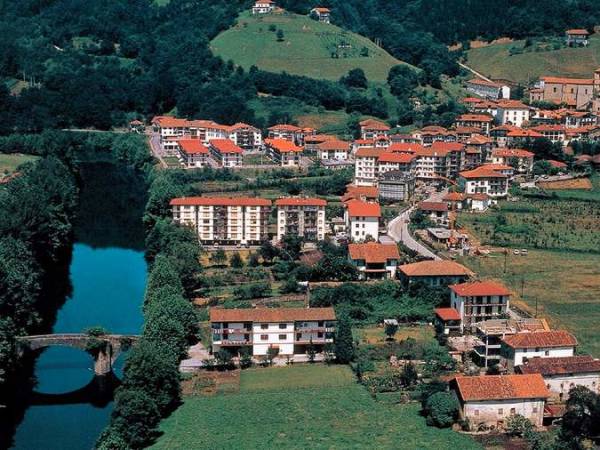
Etxalar is one of the most picturesque and authentic villages in the Baztan-Bidasoa region, located in a valley surrounded by mountains and lush forests just a few kilometers from the border with France. This small Navarrese municipality is famous for preserving its traditional Basque architecture, with stone farmhouses, wooden balconies, and reddish roofs.
What to see and do in Etxalar?
Places of interest and recommended activities:
🏡 Centuries-old farmhouses: Walk through its streets to admire traditional houses with coats of arms, many from the 16th and 17th centuries, carefully preserved.
⛪ Church of San Esteban: Stands out for its beautiful Baroque altarpiece and the old cemetery with Basque discoidal steles, unique in the area.
🌄 Viewpoints and hiking routes: Etxalar is the starting point for mountain routes such as the climb to Atxuria or walks among meadows, beech forests, and oak groves.
🪶 Etxalar pigeon traps: Etxalar is famous throughout Europe for its pigeon traps, a traditional system for hunting migratory pigeons in autumn. If you visit in October, you can witness this tradition, declared an Asset of Cultural Interest.
🏞️ Privileged natural surroundings: Very close by are the Endara reservoir and the border with France, ideal for bike trips, hiking, and picnics.
🥘 Local cuisine: Try the cider, cheese, and artisanal cured meats in the village bars and restaurants.
Events and festivals
🎉 Patron saint festivals: At the end of June, with traditional dances, music, and popular food.
🪶 Pigeon trap season: Between October and November, the whole village lives the pigeon migration, a unique experience.
Curiosities and atmosphere
Etxalar is considered one of the most beautiful villages in Navarra. It has received awards for its careful urban planning and respect for tradition.
It is a peaceful village, perfect for a rural getaway as a couple or with family.
From Etxalar you can quickly reach Hendaye or Saint-Jean-de-Luz (France) in less than half an hour.
Between the Baztan Valley and the Bidasoa: my personal experience
After visiting the Baztan-Bidasoa Valley, I can say it is one of the most charming corners of Navarra. If you’re looking for landscapes, history, and Basque culture, this is the place for you. I recommend spending at least 7 days to discover every corner of these two beautiful valleys, because each day will surprise you with something new: a charming village, a magical route, or the rural cuisine that wins you over.
During my trip I was able to tour the main villages of the Baztan Valley, as well as the hidden treasures of the Bidasoa Valley. My advice: don’t skip any of them. Here is a must-see list for your getaway:
Charming villages of the Bidasoa Valley
Sunbilla
Lesaka
Bera (Vera de Bidasoa)
Etxalar
Doneztebe/Santesteban
Ituren
Zubieta
Donamaria
In my experience, touring all these places lets you soak up the authentic spirit of Baztan-Bidasoa. Each one has something special: medieval bridges, farmhouses, traditional festivals, legendary caves, and unique hiking routes. I wish I had room in this article to tell you everything!
Travel tip:
If you have little time, prioritize the best-known hiking routes, visit a local market, and enjoy the food. But if you can, stay several days and live the full experience: I assure you you’ll want to come back.
Discover the connection between the Baztan Valley and the Bidasoa Valley in images: landscapes, villages, and unique moments in the heart of Navarra
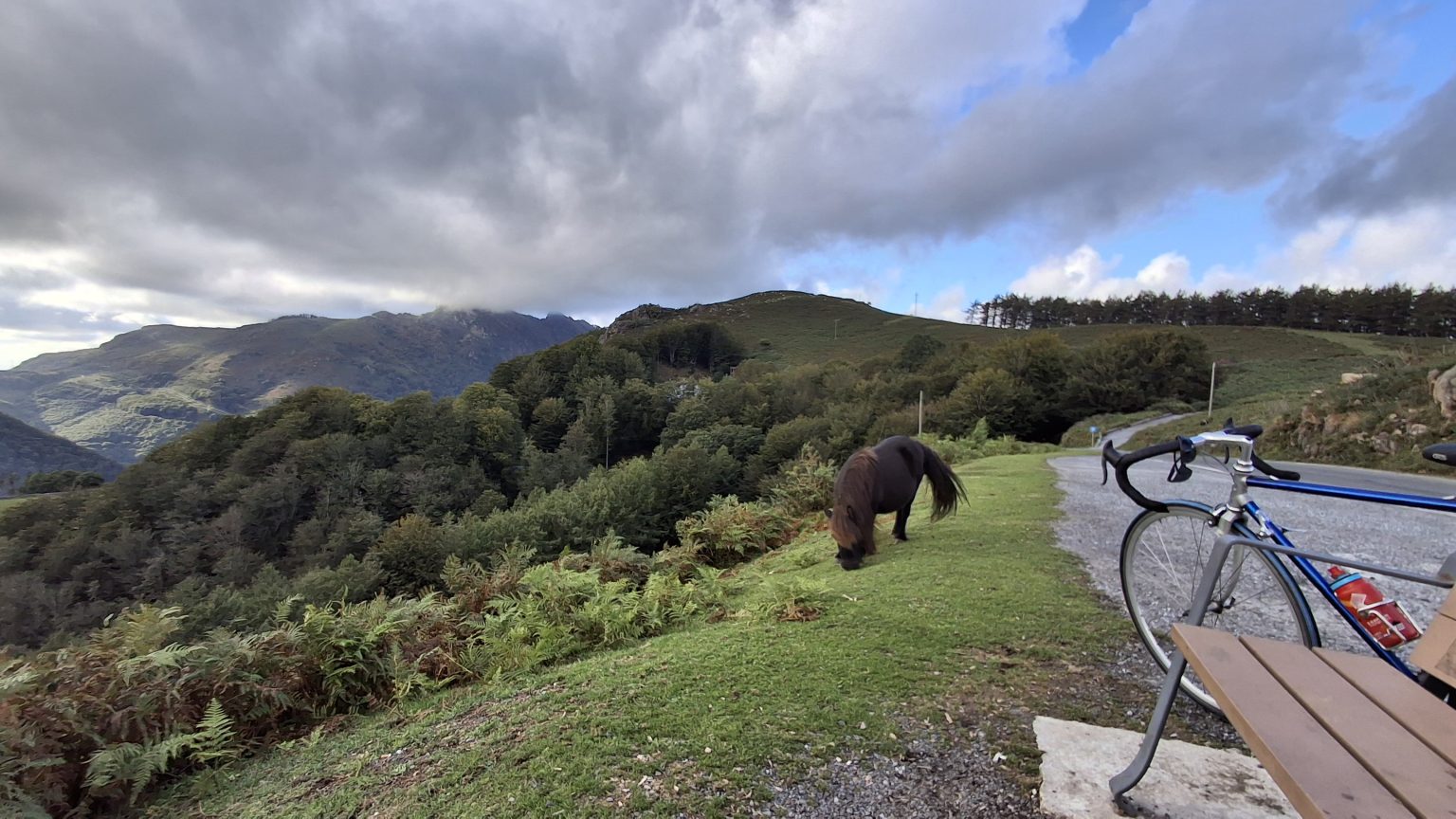
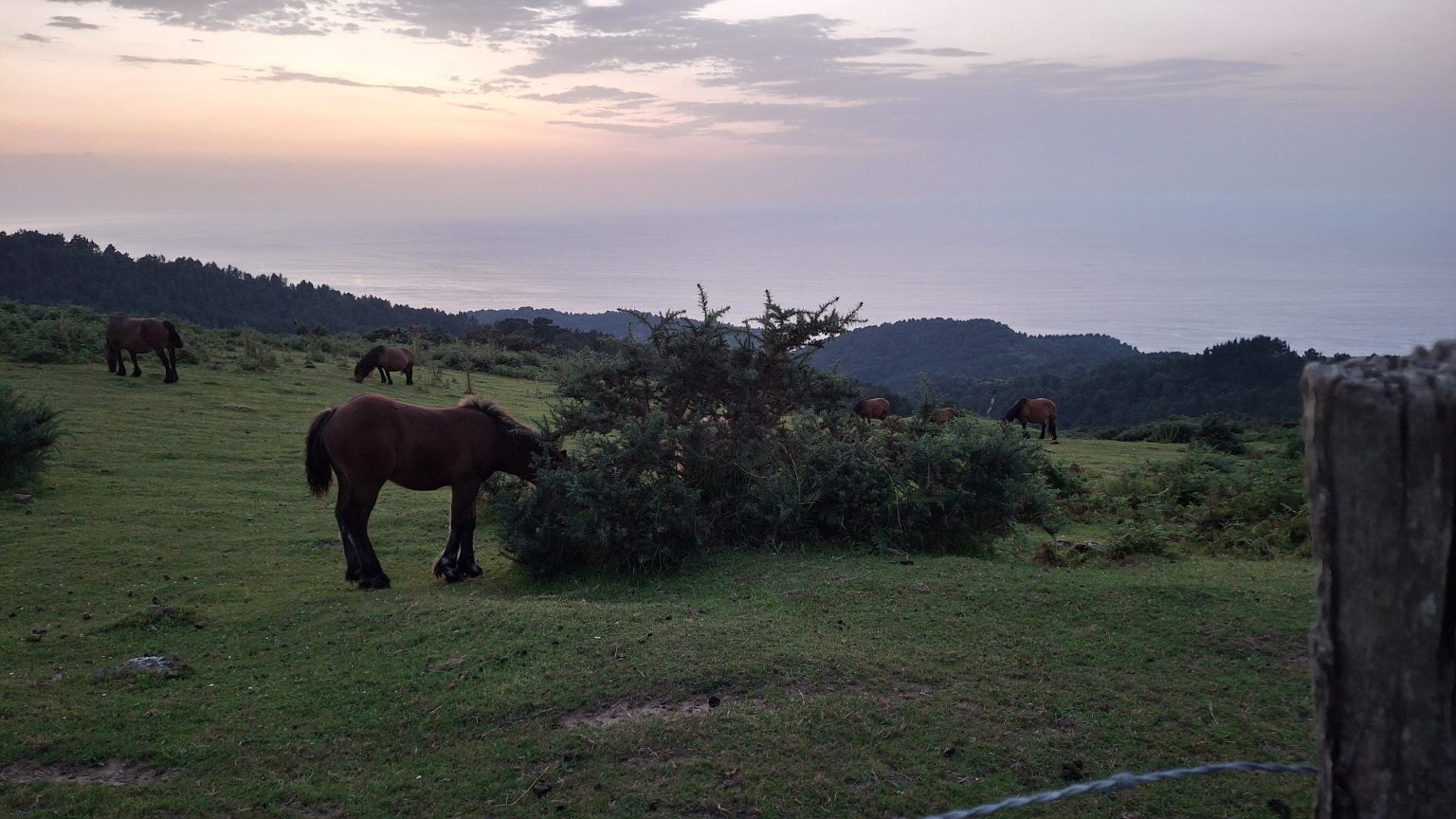
My photos of the Baztan-Bidasoa Valley: memories of an unforgettable trip
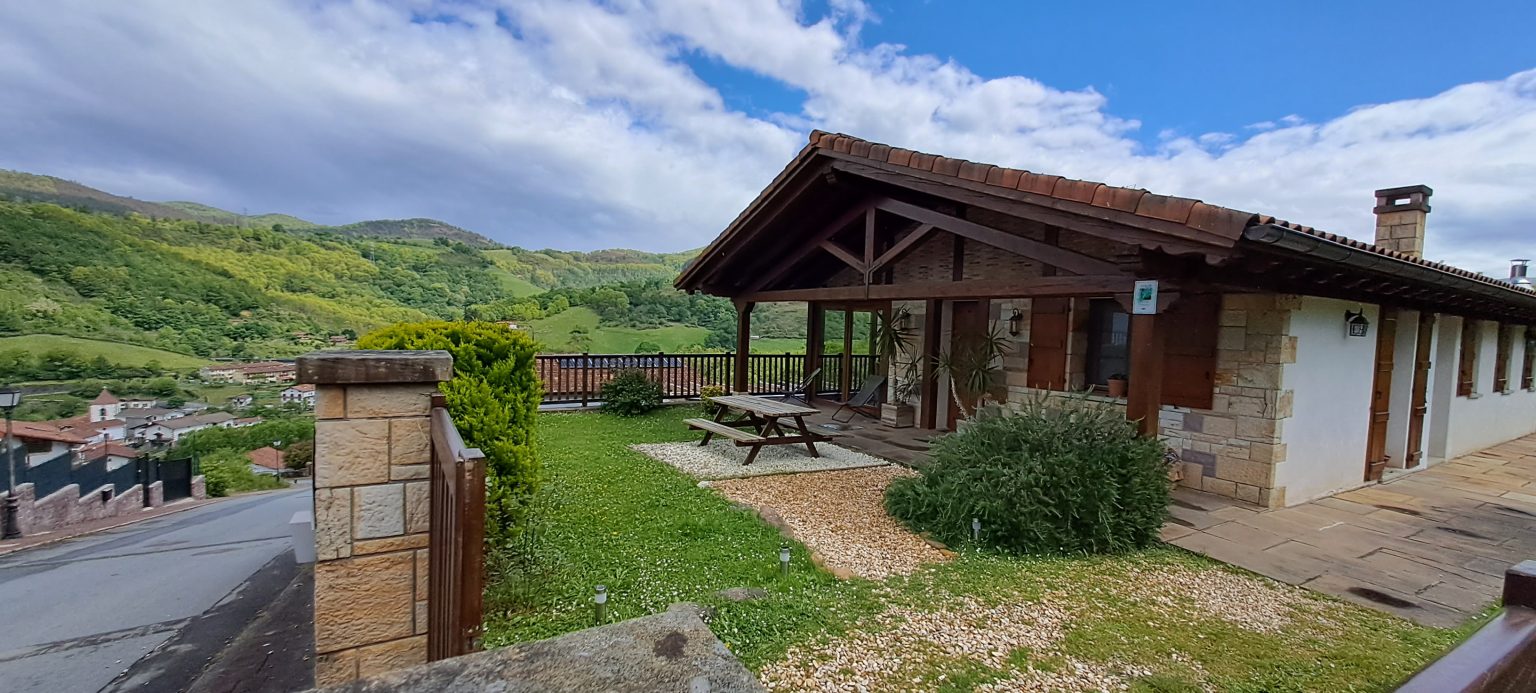
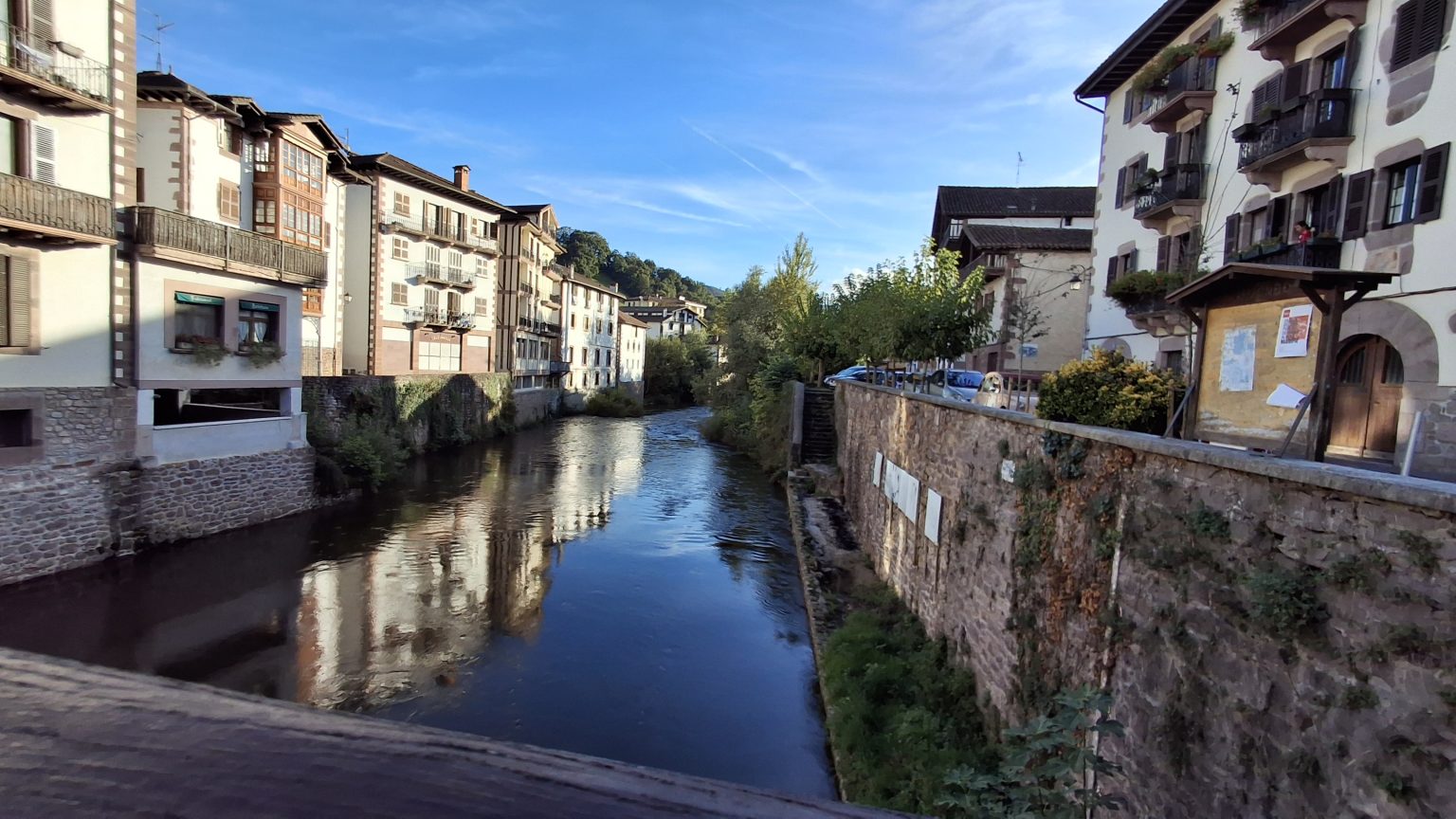
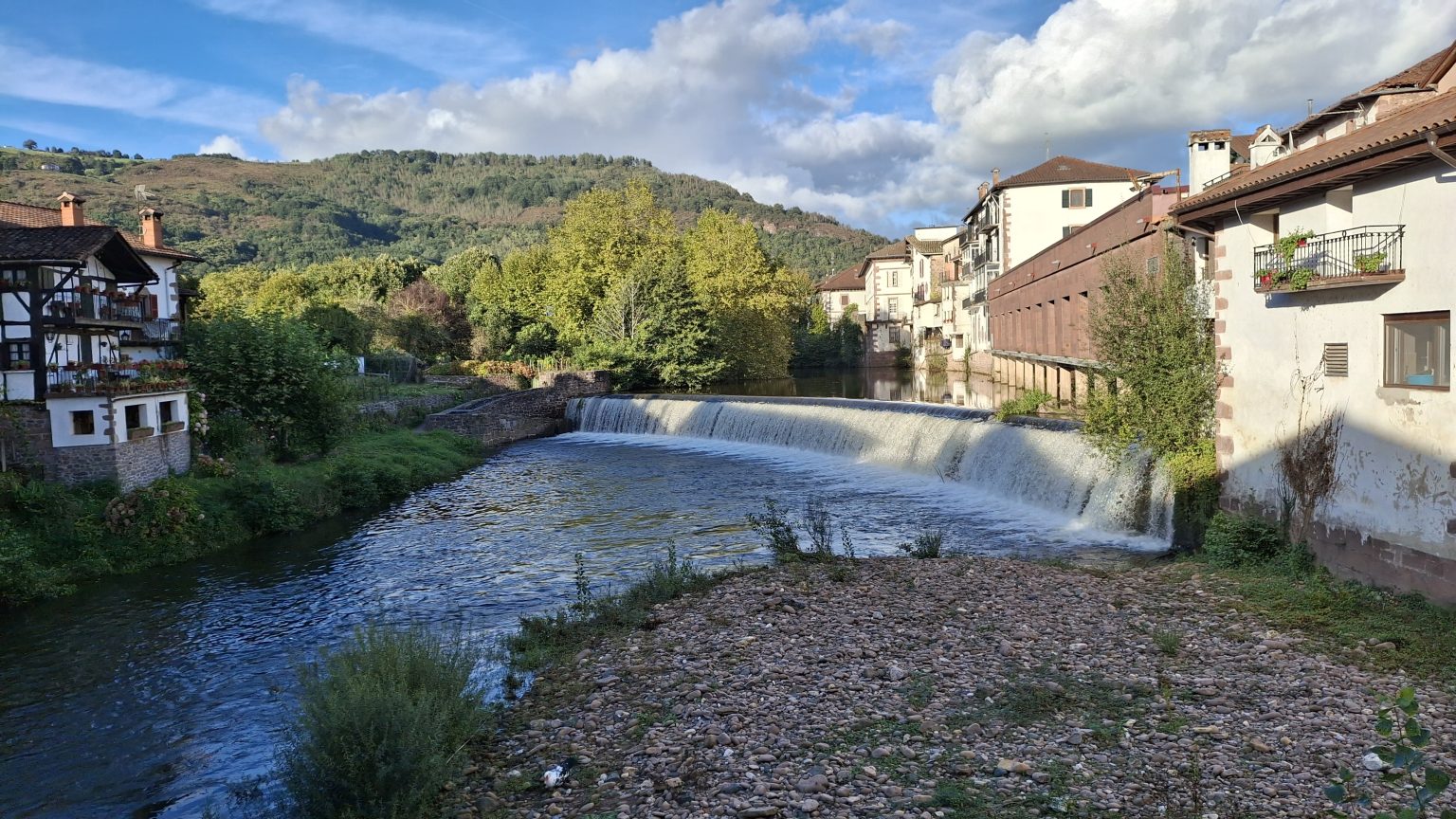
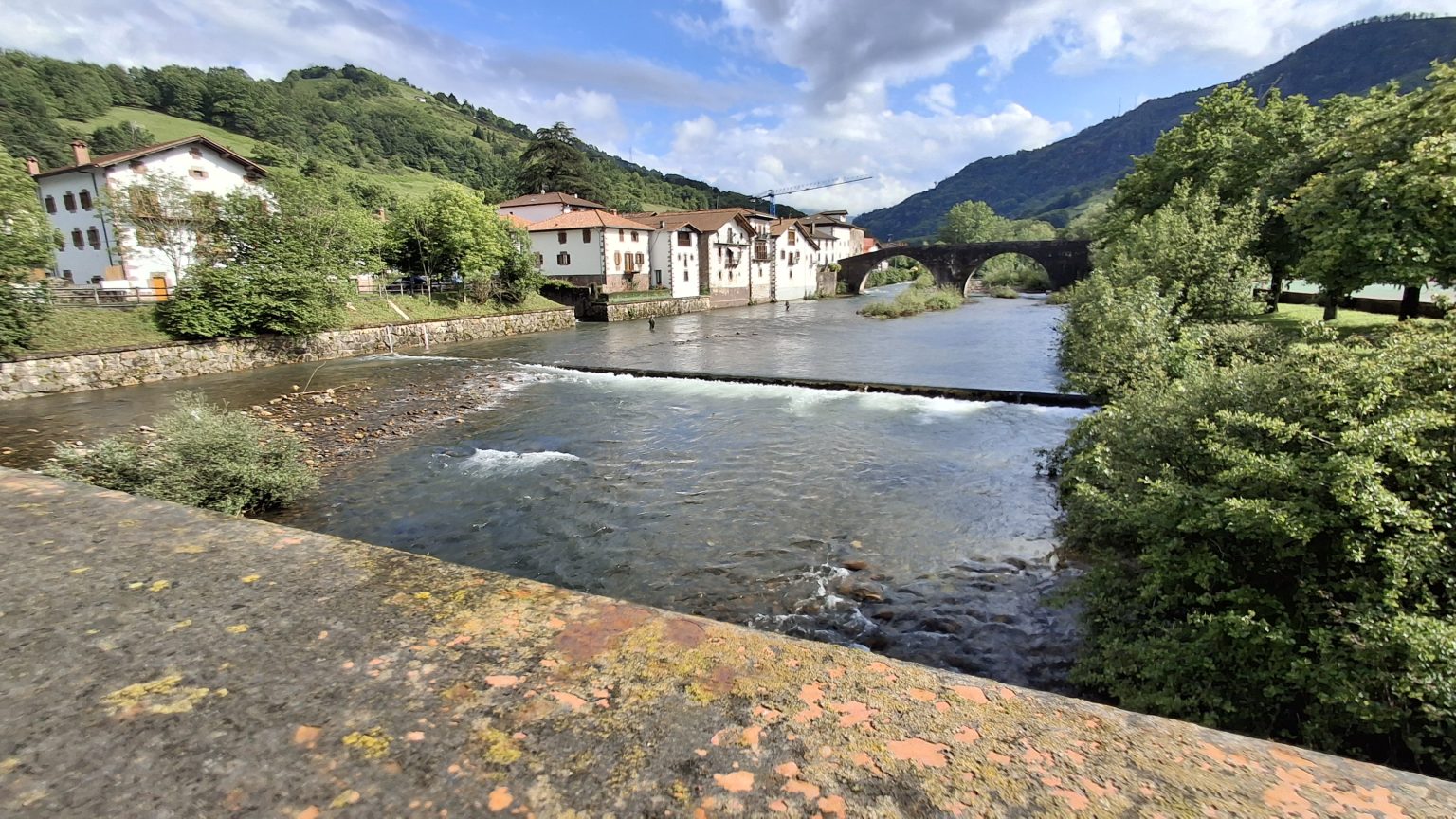
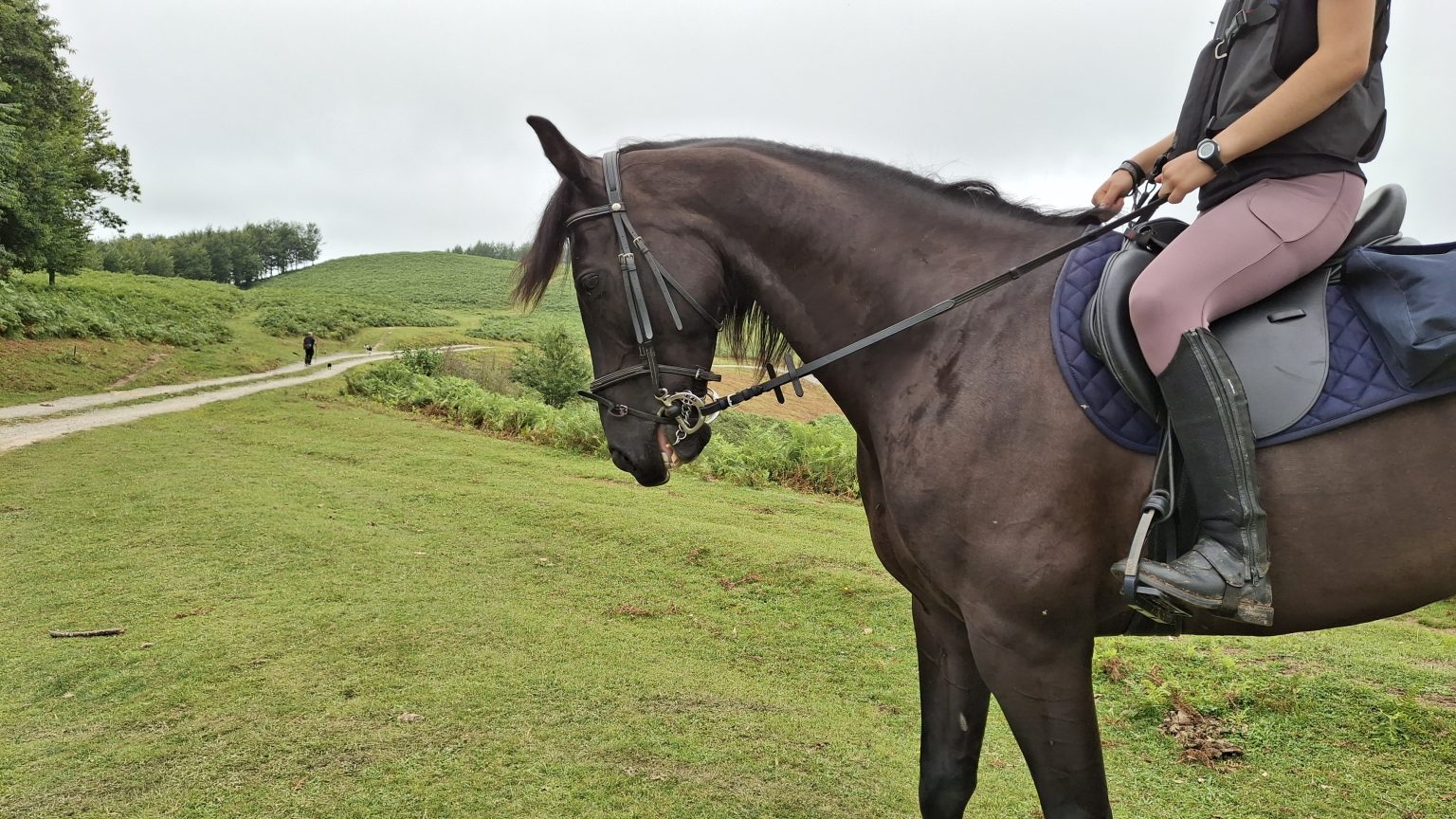
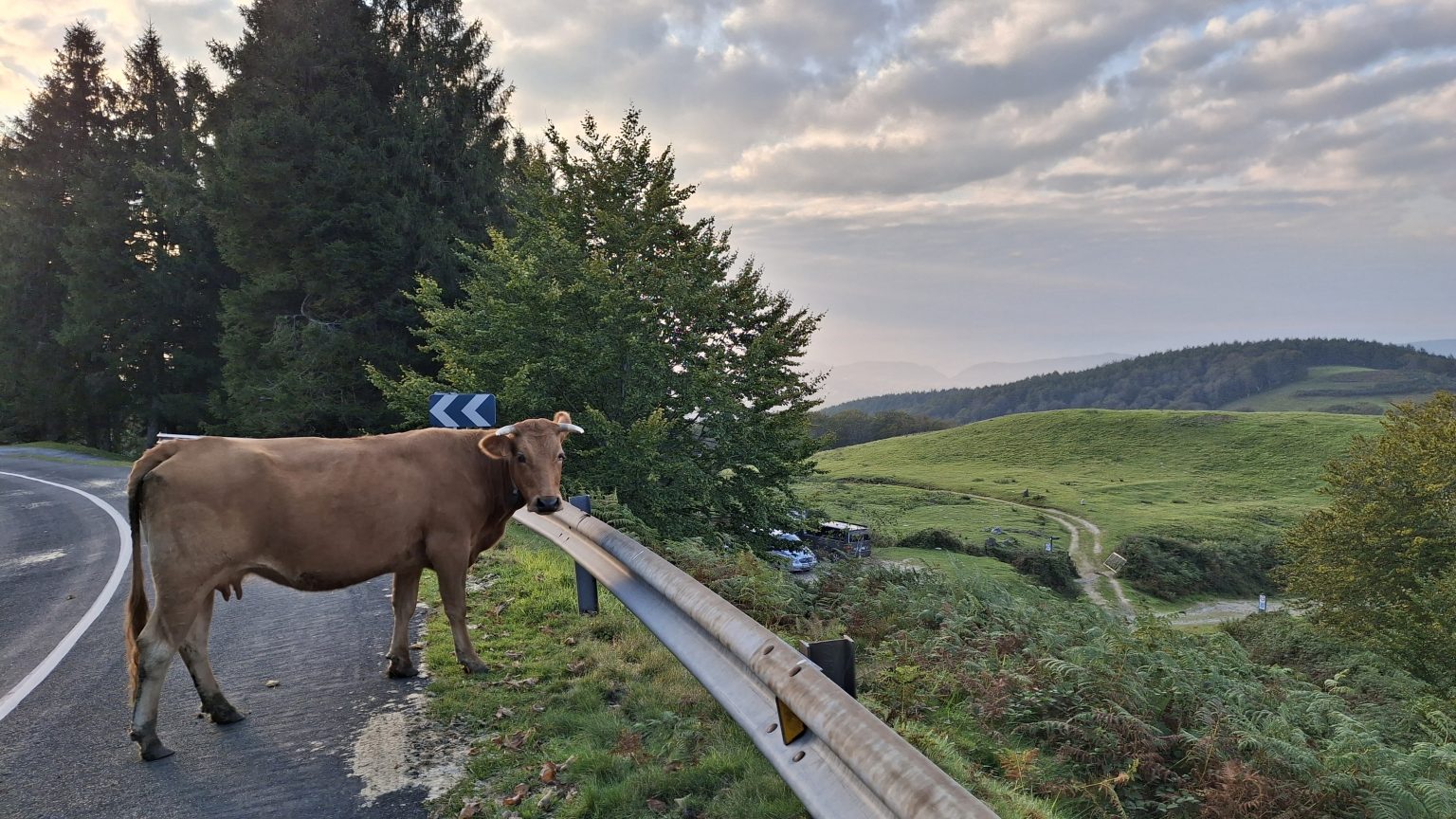
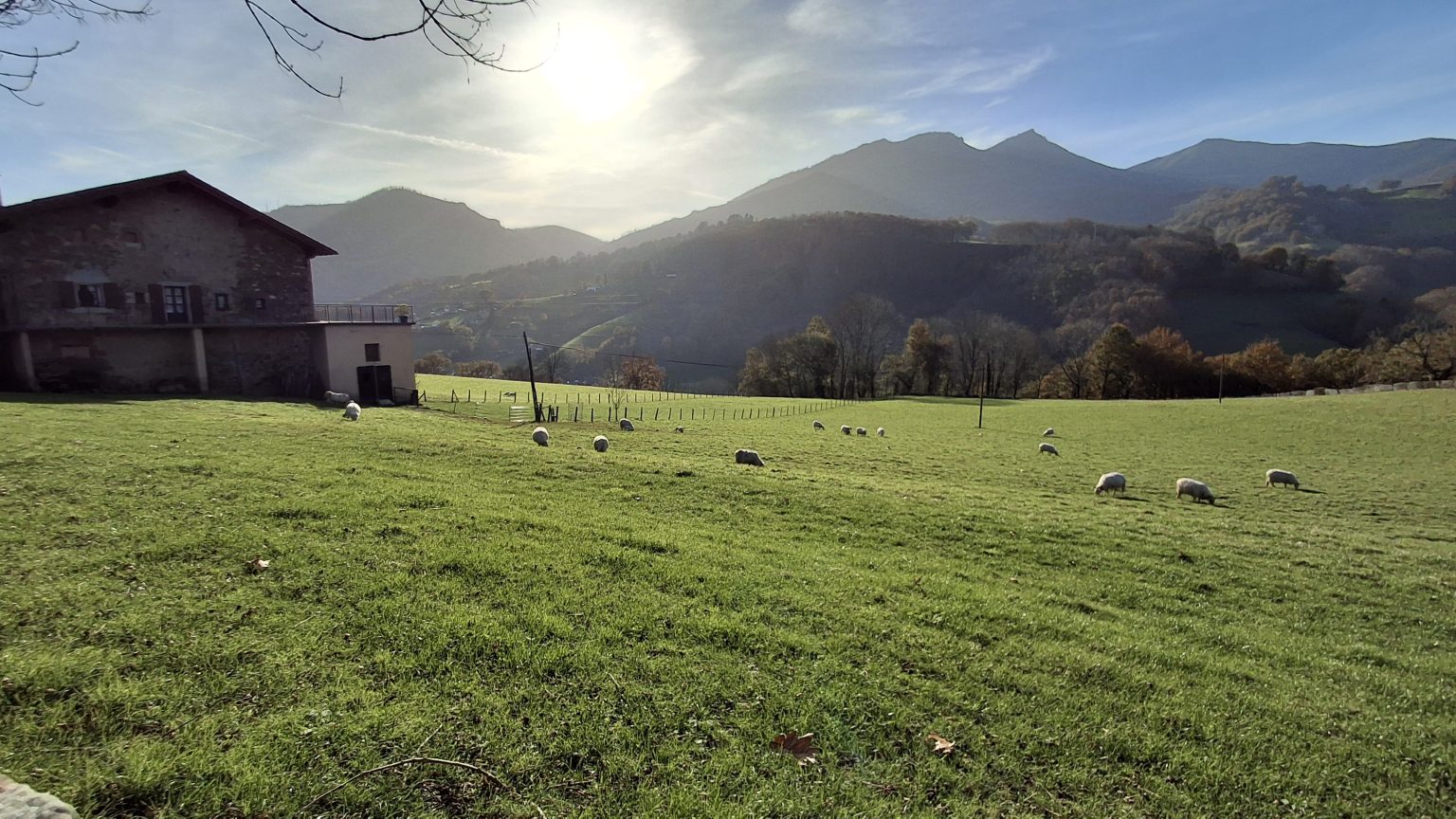
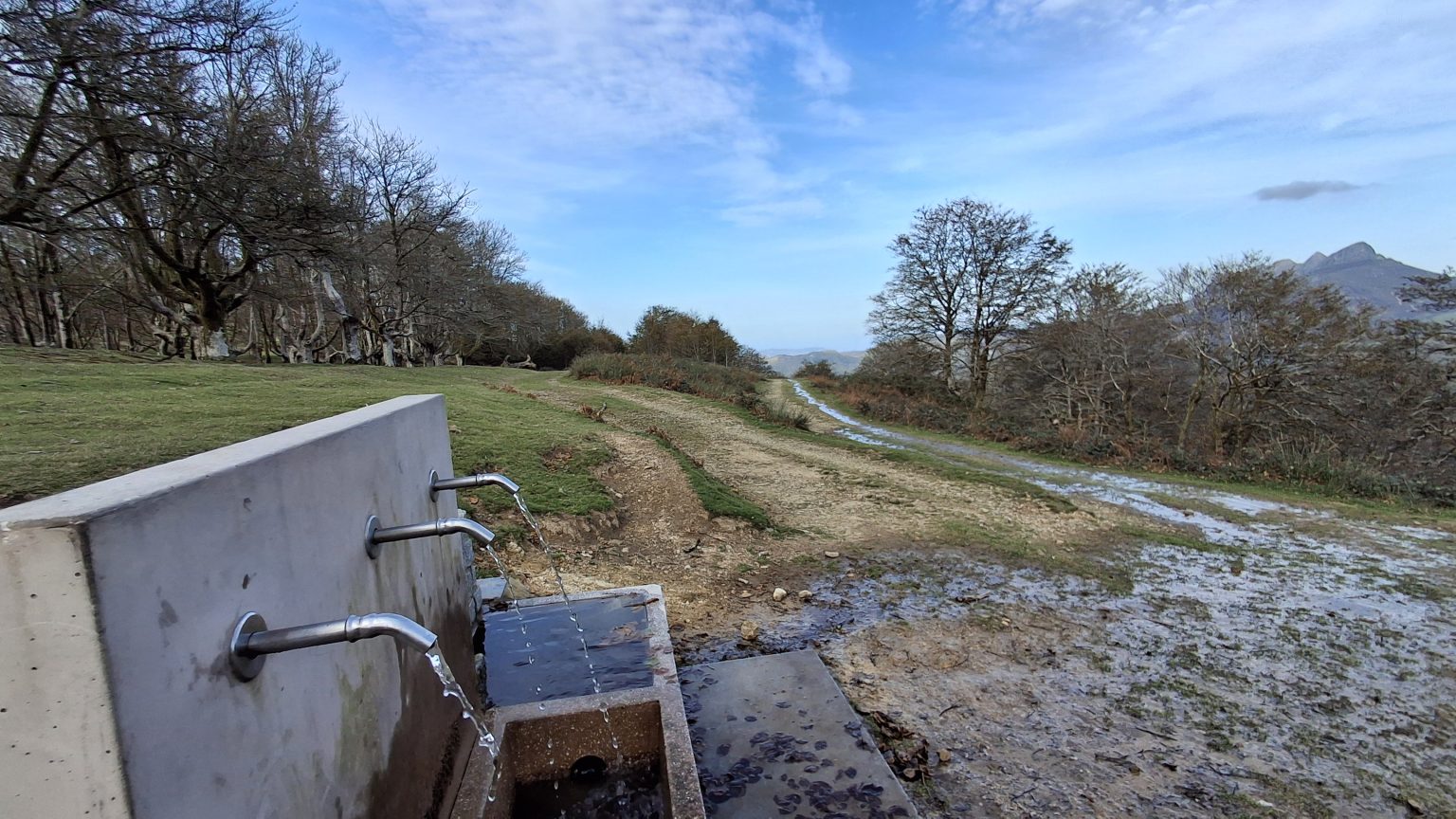
Throughout my visit to the Baztan Valley and the Bidasoa Valley, I couldn’t help but capture every moment, every landscape, and every special corner. These images reflect what I felt while traveling through two valleys so different yet so connected by their nature, their people, and their traditions.
From the white farmhouses and reddish roofs of Baztan, to the vibrant green villages of the Bidasoa, each photo tells a small story of my time in this heart of Navarra. Paths through forests, crystal-clear rivers, medieval bridges, and streets full of history… I experienced all of that and share it here with you.
I hope that through my photos, you can feel the magic, peace, and beauty of these unique valleys. If you decide to visit them, I’m sure you’ll take home memories as special as mine.


Villages of the Baztan Valley:
Elizondo (capital of the valley)
Arizkun
Amaiur (Maya)
Erratzu
Elbete
Irurita
Azpilkueta
Ziga
Aniz
Oronoz-Mugaire
Lekaroz
Berroeta
Distances between the main villages of the Baztan-Bidasoa Valley
| 🗺️ Origin | ➡️ Destination | 📏 Distance | ⏱️ Time |
|---|---|---|---|
| Elizondo | Arizkun | 6 km | 8 min |
| Elizondo | Amaiur | 13 km | 17 min |
| Elizondo | Erratzu | 14 km | 17 min |
| Elizondo | Sunbilla | 22 km | 20 min |
| Elizondo | Lesaka | 37 km | 35 min |
| Elizondo | Bera (Vera de Bidasoa) | 42 km | 40 min |
| Sunbilla | Lesaka | 10 km | 10 min |
| Sunbilla | Bera | 13 km | 13 min |
| Lesaka | Bera | 5 km | 7 min |
| Bera | Etxalar | 6 km | 8 min |
| Lesaka | Etxalar | 10 km | 13 min |
🚗 Tip: All roads pass through spectacular landscapes, ideal for scenic routes and enjoying the journey!
🏡 Where to stay in the Baztan-Bidasoa Valley
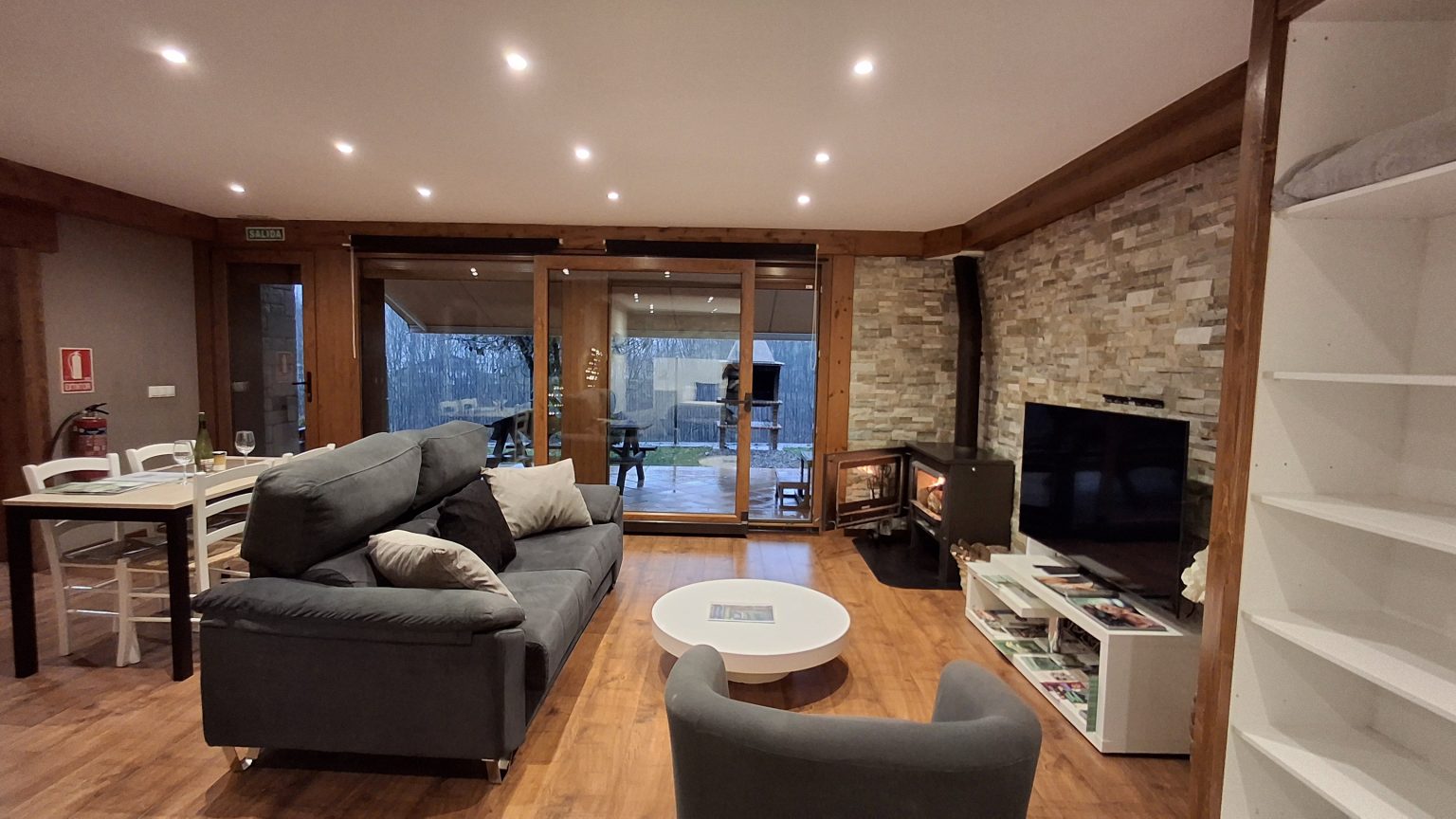
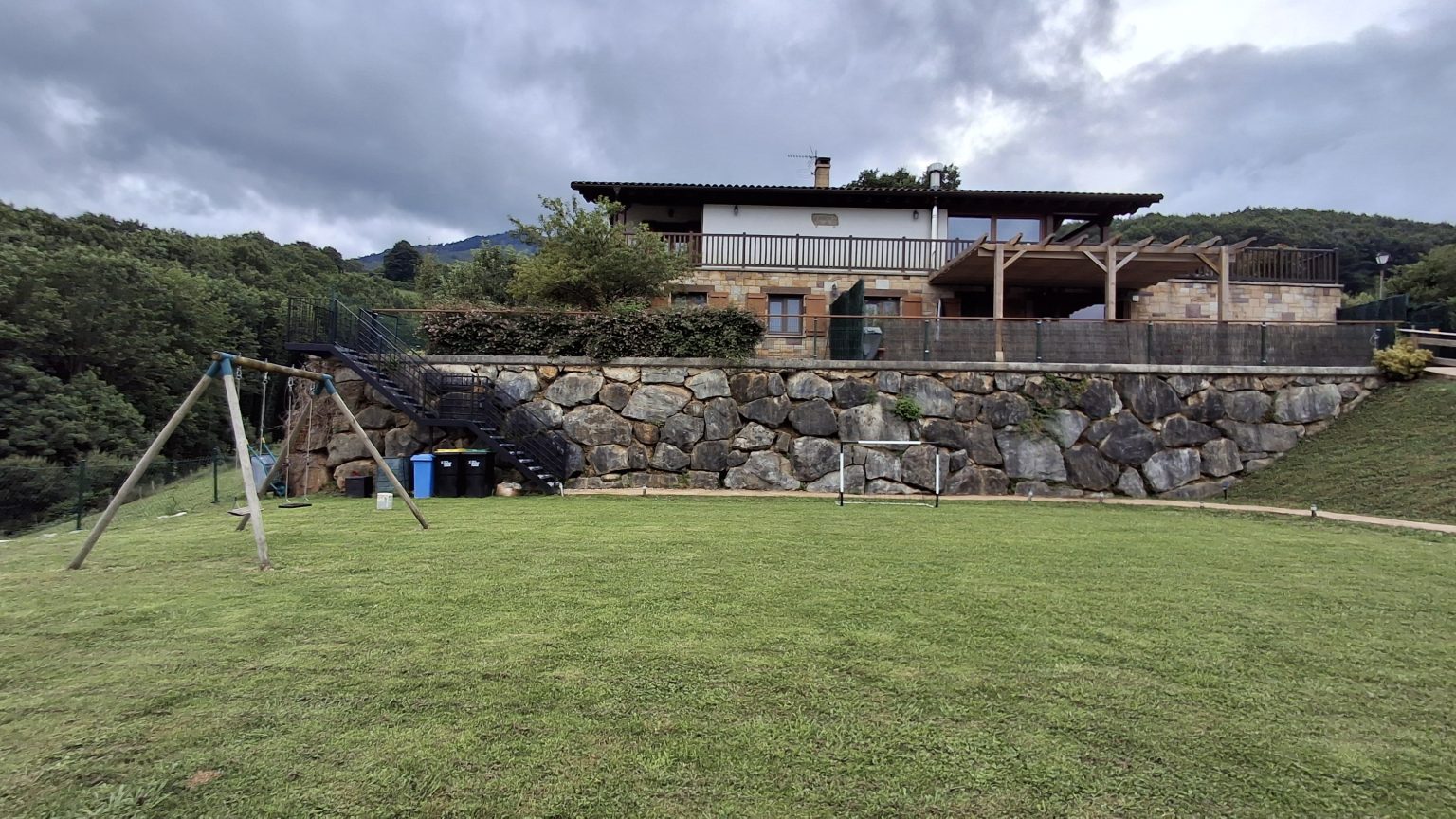
The Baztan-Bidasoa Valley is full of charming rural accommodations: farmhouses, country houses, small family-run hotels, and apartments where you can feel the local hospitality.
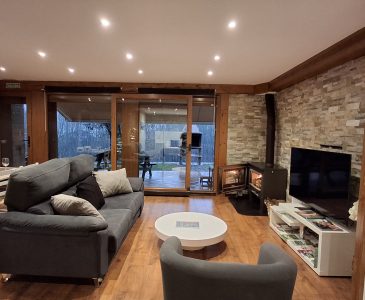
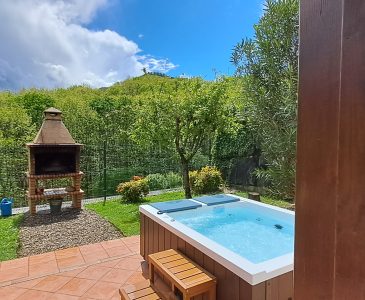
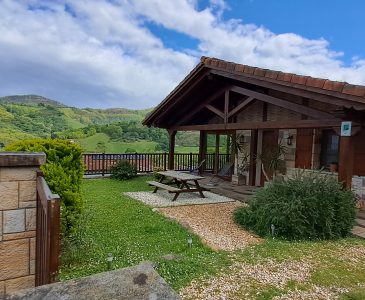
Among them all, Angiz Etxea House stands out for its strategic location, family atmosphere, and comfort for exploring both the Baztan Valley and the Bidasoa.
🌟 My personal experience at Casa Angiz
ELIZONDO: Capital of the Baztan Valley
Elizondo is the capital and soul of the Baztan Valley. This picturesque village is famous for its stone manor houses, its bridges over the Baztan River, and its lively atmosphere all year round. Its historic center is full of colorful facades, flower-filled balconies, and mansions, many of them built by emigrants who made their fortune in America.
One of Elizondo’s biggest attractions is its main square, the heart of social life, and the Church of Santiago, with its imposing tower and monumental interior. The village is also famous for its traditional festivals, such as Holy Week and the Santiago festivities, where music and folklore fill the streets.
If you love literature or film, you may know it from Dolores Redondo’s famous Baztán Trilogy, which has put Elizondo on the world map as a setting for mysteries and legends.
Must-see:
Walk along the banks of the Baztan River
Try the local pastries (especially “urrakin egina,” a typical sweet)
Enjoy the weekly market
Visit the house-museum of sculptor Jorge Oteiza
Want to know more?
Here is a link to the full article on charming villages in Navarra so you can discover in depth the history, curiosities, and hidden corners of Elizondo and many more villages.
We have prepared a very extensive report about what to see in Elizondo so you can make the most of your getaway.
The Baztán-Bidasoa River: The soul that gives the valley its shape
The heart of Elizondo is crossed by the Baztán River, whose fresh, crystal-clear waters have witnessed the history and life of the valley. Although it is popularly known throughout the region as the Baztán River, this is actually the local name for the river’s upper course. As it flows north, after leaving the valley behind and joining other tributaries, the river takes the name Bidasoa, continuing its journey toward the Cantabrian Sea. It is interesting to know that the Baztán River officially becomes the Bidasoa River at Oronoz-Mugaire, and from there it continues until it flows into the Bay of Txingudi, between Irún and Hendaya.
This detail makes the river one of the great symbols of the valley, linking villages, forests, and landscapes throughout the Baztan-Bidasoa region.
🥐 An unforgettable moment in Elizondo
🏛️ Main Square: the nerve center
🥐 Typical sweets at Malkorra pastry shop
⛪ Church of Santiago: history and views
🌉 Bridge over the Baztan: a must photo
🛒 Traditional market: Saturday morning
Arizkun: History, lordship, and living traditions in the Baztán-Bidasoa Valley
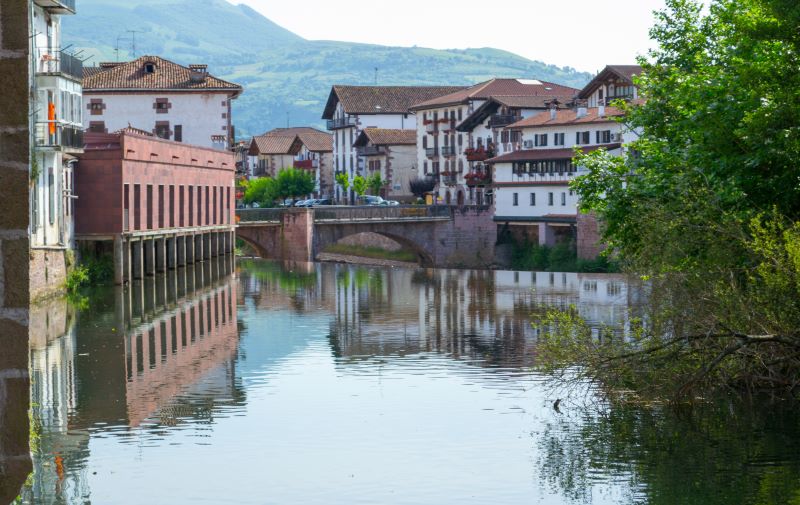
Arizkun is one of the most historic and characterful towns in the Baztán-Bidasoa Valley. Its importance has been enormous both socially and economically since the Middle Ages, something reflected in the grandeur of its noble buildings, the variety of its neighborhoods, and the preservation of its oldest traditions.
This distinguished village is located just 4 km from Elizondo, taking the NA-121-B road toward France and turning off at any of the marked access points (Laurentx or Ikatzatea). Arizkun is not just a central settlement, but includes several historic neighborhoods such as Bozate (with its unique agote history), Ordoki, Pertalas, San Blas, Bergara, Aintzialde, Otsanaiz, Erniegi, and Aritzakun. Even some farmhouses in Urritzate are linked to Arizkun, although this small valley is usually associated with Erratzu.
Since ancient times, its inhabitants have stood out: in 1366 they were all listed as hidalgoes, and in the 18th century it was the most populated center in the valley, with commercial, medical, and craft activity: candles, ironworks, chocolate shops, wine cellars, shoemaking, taverns, and inns.
Heritage and notable buildings of Arizkun
Casa Iturraldea: Birthplace of Juan Bautista de Iturralde (1674-1741), founder of the Monastery of Our Lady of the Angels. Its spectacular carved wooden eaves stand out.
Lamiarrita Palace (or Goyeneche Palace): Built in 1713, raised to palace status in 1721, and ancestral home of the influential Goyeneche family. Later, the property passed to the Society of Jesus.
Arizkun Convent: Cloistered Clarist nuns still live there. Famous for its Baroque doorway and a unique neoclassical organ in Navarra, with a “Basque flute” stop.
Egg tradition: It was customary to bring fresh eggs to the convent to ask for good weather, whether for the fields or to ensure good weather for weddings.
Bozate neighborhood and the agotes
The Bozate neighborhood deserves special mention. This is where the group of agotes lived, a socially marginalized minority for centuries. Today, the neighborhood retains its essence, and you can visit the small Ethnographic Museum to learn about this unique history.
Arizkun today
Arizkun combines history, art, traditions, and a rural atmosphere full of authenticity. Walking its streets means discovering centuries of history, traditional architecture, and the hospitality of its people. In addition, the village is famous for its festivals and craft fairs.
Amaiur –(Maya in Spanish) The village of the arch and Navarra’s last defense
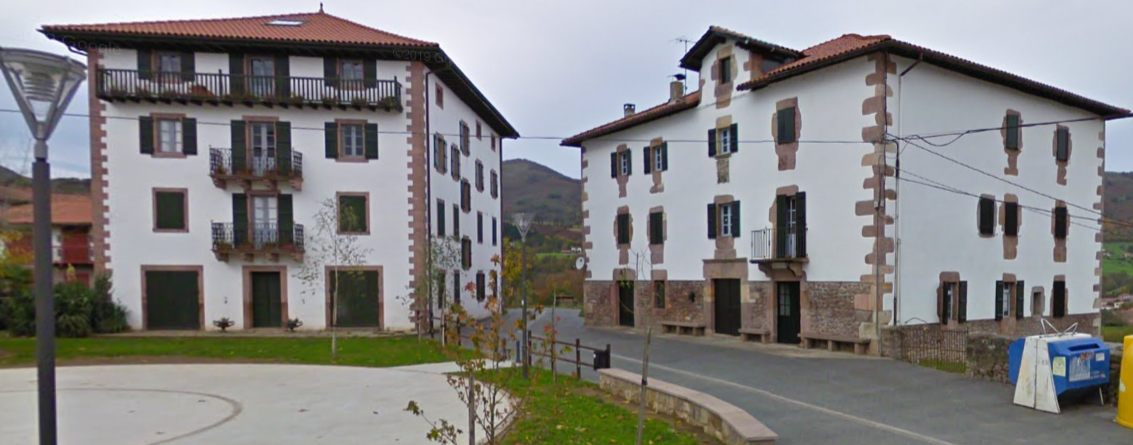
Amaiur, also known as Maya, is one of the most emblematic and picturesque villages in the Baztan-Bidasoa Valley. At the entrance to the village, you are welcomed by its famous medieval arch, a symbol of hospitality and, at the same time, of resistance. History can be felt in every corner here: Amaiur was the scene of the last resistance of the Kingdom of Navarra against the conquest of Castile in 1522, a fact that still marks local pride today.
Walking through Amaiur is like traveling back in time. Its cobblestone streets, stone farmhouses with flower-filled balconies, and peaceful atmosphere make this small village a place that wins you over at first sight. The silence is broken only by the murmur of the river and the sound of birds.
What to see in Amaiur
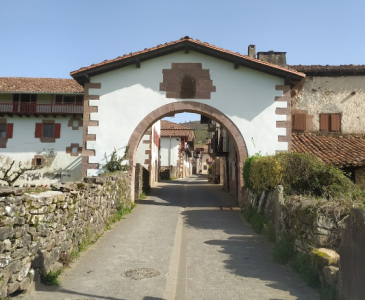
Entrance arch: The great stone arch is one of the village’s symbols. Built in the 17th century, it welcomes those arriving in Amaiur and is one of the most photographed views in the valley.
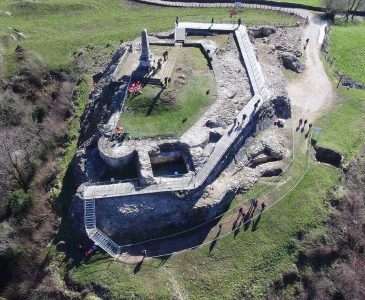
Amaiur Castle: At the top of the hill, the remains of the old castle recall the heroic defense of the Navarrese in 1522. From here there are spectacular views of the whole valley, and you can visit the Monument to the Last Defenders of Navarra, with panels explaining the history.
Church of the Assumption: A beautiful example of the area’s religious architecture, with a peaceful setting ideal for stopping and breathing in the rural atmosphere.
Amaiur Mill: Restored and open to the public, at the mill you can see how the traditional Amaiur txapela is made, a typical bread from the area. Many families come to buy fresh bread or try artisanal products.
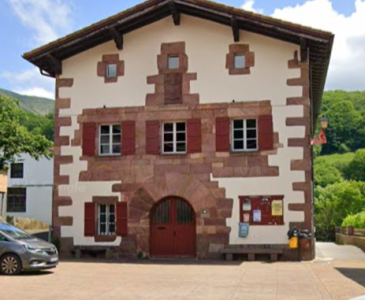
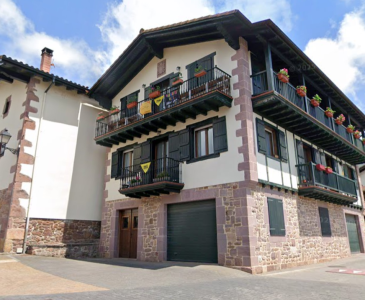
Streets and farmhouses: The houses preserve the traditional Baztan look, with reddish roofs and white facades, creating an atmosphere of an authentic Basque village.
Hiking routes: Several marked routes start from the village, ideal for walking among forests and hills.
Curiosities and current atmosphere
Amaiur is today a small and peaceful village, but full of life thanks to rural tourism and travelers looking for authenticity. Here it is easy to find craft fairs, popular festivals, and cuisine based on local products: cheeses, honey, bread, txistorra, and typical sweets.
A visit to Amaiur is not complete without trying its famous bread and letting yourself be carried away by the slow pace of rural Navarrese life. If you’re looking for photos, the arch, the castle, and the panoramic views from the top are a must for your travel album.
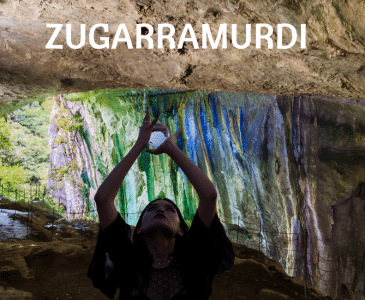
✨ Zugarramurdi Caves: Legend and magic in the Baztan-Bidasoa Valley
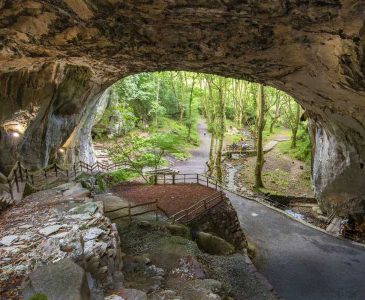
If you’re looking for a magical and unique place in Navarra, you can’t miss the famous Zugarramurdi Caves. Located just a few minutes from the villages of Baztan-Bidasoa, these natural caves have witnessed centuries of history, witch legends, and mysteries waiting to be discovered.
- 🌌 A stunning natural setting: Explore the galleries and passages carved by water over thousands of years.
- 🧙 Stories of witchcraft: Discover the place where the famous akelarres were held and learn about the real events and legends that made Zugarramurdi world-famous.
- 🏛️ Witches Museum: Complete the visit by learning about witch trials, persecutions, and local culture.
- 🚶 Hiking and nature: Enjoy marked routes, a setting of forests and meadows, and viewpoints with incredible views.
My personal recommendation: Visit the caves at sunset, when the light and silence make it a truly special place. Ideal for families, couples, and curious travelers.
👉 Discover the full story of the Zugarramurdi Caves and plan your visit here
| Village | Best for families 👨👩👧👦 | Nature and hiking 🥾🌳 | Gastronomy 🍽️ | Heritage and culture 🏰 | Peace and quiet 😌 |
|---|---|---|---|---|---|
| Sunbilla | ⭐⭐⭐⭐⭐ | ⭐⭐⭐⭐ | ⭐⭐⭐ | ⭐⭐⭐ | ⭐⭐⭐⭐⭐ |
| Lesaka | ⭐⭐⭐⭐ | ⭐⭐⭐ | ⭐⭐⭐⭐ | ⭐⭐⭐⭐⭐ | ⭐⭐⭐ |
| Bera | ⭐⭐⭐ | ⭐⭐⭐⭐ | ⭐⭐⭐⭐ | ⭐⭐⭐⭐ | ⭐⭐⭐ |
| Etxalar | ⭐⭐⭐⭐ | ⭐⭐⭐⭐⭐ | ⭐⭐⭐ | ⭐⭐⭐ | ⭐⭐⭐⭐⭐ |
| Elizondo | ⭐⭐⭐⭐ | ⭐⭐⭐ | ⭐⭐⭐⭐⭐ | ⭐⭐⭐⭐⭐ | ⭐⭐ |
| Arizkun | ⭐⭐⭐ | ⭐⭐⭐⭐ | ⭐⭐⭐ | ⭐⭐⭐⭐ | ⭐⭐⭐⭐ |
| Amaiur | ⭐⭐ | ⭐⭐⭐⭐ | ⭐⭐⭐ | ⭐⭐⭐⭐⭐ | ⭐⭐⭐⭐ |
| Erratzu | ⭐⭐⭐⭐ | ⭐⭐⭐⭐ | ⭐⭐ | ⭐⭐ | ⭐⭐⭐⭐ |
💬 Questions I had before visiting the Baztan-Bidasoa Valley
If you’re thinking about discovering these valleys, here are the questions and answers I asked myself before planning my trip. I hope they help you plan your getaway and make the most of every corner of Baztan and Bidasoa.
What is the best time of year to tour the Baztan-Bidasoa Valley?
Where should I stay to be close to everything?
Do you need a car to get around?
Which villages can’t you miss?
Are there easy routes for going with children?
Where can you eat well and cheaply?
Is it easy to park and get around?
Is it cold? What clothes should I bring?
Is it worth visiting the caves and museums?
Do you have more questions? Leave me a comment and I’ll be happy to help. 😉
Your adventure in the Baztan-Bidasoa Valley starts here!
I hope this guide has helped you discover everything the Baztan-Bidasoa Valley has to offer and that you now feel that travel itch to explore these unique corners of Navarra. I’ve tried to share not only practical information, but also my real experience traveling through these villages, routes, and spectacular landscapes.
Remember that Baztan-Bidasoa is much more than a postcard: it is culture, history, cuisine, nature, and above all, welcoming people. Whether you’re looking for a peaceful rural getaway or an adventure full of routes and discoveries, you’ll find your place here.
If you have any doubts, questions, or want to share your own experience and recommendations, leave them in the comments! I’d love to read you and help you prepare your trip.
Thank you for joining me to the end! I wish you an unforgettable stay in the Baztan-Bidasoa Valley… and remember, there’s always a new corner to discover. 😉
Ready for your next adventure?
👉 Want to discover the most impressive corners of this land? Don’t miss our complete guide on what to see in Navarra and fall in love with each of its landscapes.
See you on the road!